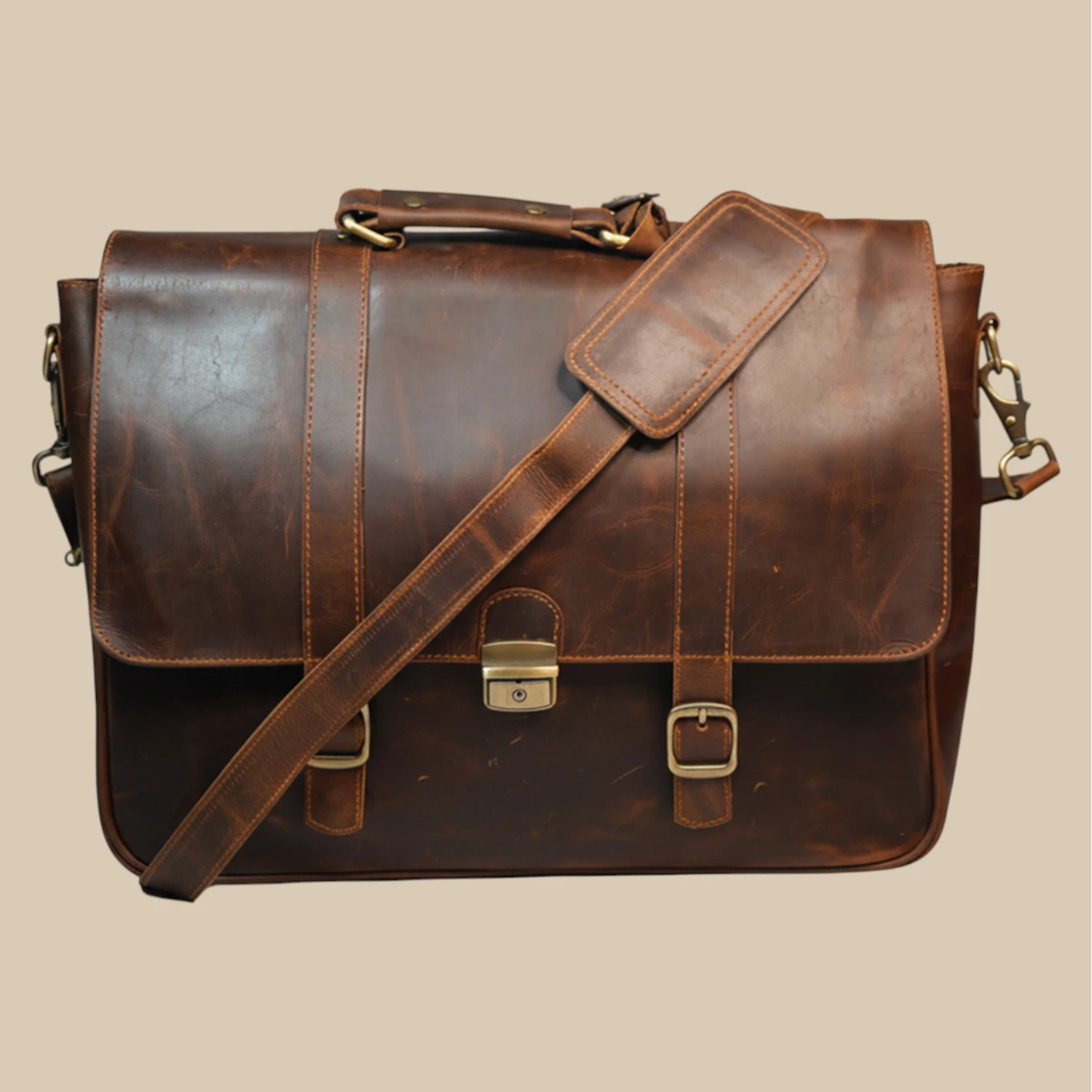
Your leather bag looked stunning when you first bought it but now shows signs of dullness, minor stains, and dryness around the edges.
The rich color has faded slightly in places.
The leather that once felt supple now seems stiff and shows tiny cracks forming at stress points around handles and corners.
Regular cleaning and conditioning transforms how leather bags age preventing the deterioration that makes expensive bags look worn and cheap within years.
Most people neglect leather care until visible damage appears not realizing that simple maintenance prevents problems rather than fixing them later.
This guide explains exactly how to clean and condition leather bags at home using proper techniques that preserve material while restoring its natural beauty.
You'll learn which products work safely, step-by-step cleaning methods, and conditioning schedules that keep bags looking new for decades of use.
Understanding proper leather care protects your investment while maintaining the professional appearance that makes quality leather bags worth their premium price.
Why Leather Bag Care Is Essential
Regular care prevents the gradual deterioration that occurs naturally as leather loses moisture and accumulates damage from daily handling and environmental exposure.
Long-term benefits include maintaining the bag's structural integrity, preserving color vibrancy, and preventing expensive repairs that become necessary with neglect over time.
How proper maintenance extends bag life:
Prevents cracking by keeping leather fibers flexible and moisturized
Maintains water resistance through regular conditioning treatments
Preserves color preventing the fading caused by UV exposure and drying
Protects against stains by keeping leather surfaces sealed and conditioned
Extends usable lifespan from years to decades with consistent attention
Leather bags represent significant investments that deserve protection through minimal effort yielding maximum returns in appearance and functionality over their lifetime.
Well-maintained leather actually improves with age developing rich patina that adds character rather than looking progressively worse like neglected bags inevitably do.
Understanding Leather and Its Needs
Different leather types require varying care approaches because manufacturing processes create materials with distinct characteristics affecting how they respond to cleaning and conditioning.
Common leather types in bags:
Full-grain leather retains the complete natural grain with all original texture and markings from the hide providing maximum durability and aging beauty.
This premium leather develops the most attractive patina over time but requires regular conditioning because minimal processing leaves fibers more porous and absorbent.
Top-grain leather undergoes light sanding to remove minor imperfections then receives finishing coatings providing smoother appearance and better initial stain resistance.
The protective finish means less frequent conditioning needs but requires gentler cleaning products that won't strip applied coatings damaging the protective layer.
Genuine leather uses lower hide layers with heavy processing and synthetic coatings creating affordable products with less natural beauty and durability overall.
This leather type needs careful cleaning avoiding harsh products that damage coatings while benefiting from conditioning that prevents the cracking it's prone to.
How leather ages without proper care involves progressive moisture loss causing fibers to stiffen, crack, and lose the flexibility that makes material comfortable and attractive.
Natural oils in leather evaporate gradually through use and environmental exposure leaving material dry and brittle without replenishment through conditioning products regularly.
The surface develops dull appearance losing the rich luster characteristic of healthy leather as protective oils deplete and dirt accumulates in grain patterns.
Color fades unevenly particularly in areas receiving direct sunlight or excessive handling where oils transfer from skin accelerating degradation in specific spots.
Tools You'll Need for Cleaning and Conditioning Your Leather Bag
Proper tools make leather care easier while preventing the damage that occurs using inappropriate materials that scratch surfaces or leave residue behind.
Essential cleaning supplies:
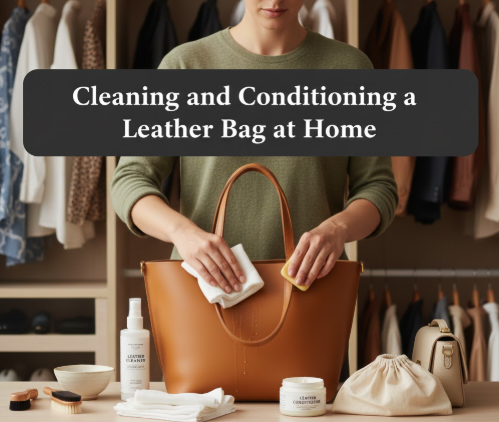
Leather cleaner specifically formulated for bags removes dirt and oils without stripping natural moisture or damaging finishes applied during manufacturing processes.
Regular soap contains harsh detergents and high pH levels that dry leather excessively causing cracking and damaging protective finishes manufacturers apply to surfaces.
Specialized leather cleaners use pH-balanced formulas that clean effectively while respecting leather's delicate nature and moisture needs for long-term health and appearance.
Soft brushes with natural bristles remove dirt from textured leather and grain patterns without scratching surfaces the way synthetic bristles can with repeated use.
Horse hair brushes work excellently for gentle cleaning. Avoid stiff brushes that abrade leather surfaces creating permanent damage visible as dulled areas.
Microfiber cloths provide lint-free cleaning and product application preventing the fiber residue that cotton cloths leave behind in leather grain patterns and textures.
Keep separate cloths for cleaning and conditioning preventing cross-contamination that reduces product effectiveness and creates uneven application across surfaces during treatment.
Choosing the right leather conditioner:
Quality conditioners replenish natural oils lost through use maintaining the flexibility and moisture content leather needs to resist cracking and aging prematurely.
Why conditioning matters critically:
Leather is skin that requires moisture to maintain suppleness just like human skin needs moisturizing to prevent drying and cracking over time.
Natural oils in leather fibers provide flexibility allowing material to bend and flex without breaking at stress points around handles, corners, and seams.
Without conditioning, leather becomes brittle and develops cracks that worsen with continued use eventually requiring expensive professional restoration or complete replacement of bags.
Recommended conditioner types:
Cream conditioners penetrate deeply into leather fibers providing thorough moisturizing ideal for bags showing dryness or receiving heavy use requiring intensive treatment.
Liquid conditioners absorb quickly making them convenient for regular maintenance without leaving surface residue that attracts dirt or feels sticky after application.
Beeswax-based conditioners add water resistance while conditioning making them excellent for bags exposed to weather requiring both moisture and protection simultaneously.
Step-by-Step Guide to Cleaning Your Leather Bag
Follow this systematic approach ensuring thorough cleaning without causing damage through improper techniques or harsh product applications that harm leather.
Preparation before cleaning:
Empty the bag completely removing all contents including small items hidden in pockets preventing accidental damage to belongings during cleaning process.
Turn pockets inside out checking for accumulated dirt, crumbs, and debris that often collects in corners requiring removal before wet cleaning begins.
Test cleaning products on hidden areas like bag bottoms or interior leather checking for adverse reactions before applying to visible exterior surfaces.
Apply small amounts of cleaner to test areas waiting 24 hours to ensure no discoloration or damage occurs before proceeding with full cleaning.
Cleaning process steps:
Step 1: Remove surface dust and dirt
Use a soft brush or dry microfiber cloth to wipe away loose dirt, dust, and surface debris covering the entire bag systematically.
Pay particular attention to seams, corners, and textured areas where dirt accumulates most heavily during regular use requiring thorough removal before wet cleaning.
Step 2: Apply leather cleaner
Apply small amounts of leather cleaner to a clean microfiber cloth rather than directly onto the bag preventing oversaturation that can damage leather.
Work in small sections using gentle circular motions that lift dirt without excessive rubbing that can damage finishes or grain patterns on surfaces.
Step 3: Clean handles and high-touch areas
Handles, corners, and closure areas accumulate body oils and dirt requiring extra attention during cleaning to remove built-up residue effectively.
Use slightly more pressure on these areas but avoid aggressive scrubbing that can wear through finishes or damage leather fibers permanently over time.
Step 4: Wipe away cleaner residue
Use a clean damp cloth to remove cleaning product residue ensuring no soap or cleaner remains on leather surfaces where it can cause drying.
Follow immediately with a dry cloth removing all moisture preventing water spots or marks that form when leather dries unevenly after cleaning.
Step 5: Allow complete drying
Let the bag air dry completely at room temperature away from direct heat sources or sunlight that can cause rapid drying leading to cracking.
Drying typically requires 1-2 hours depending on how much moisture was used during cleaning and ambient humidity levels in your environment.
Common cleaning mistakes to avoid:
Never use harsh household cleaners like all-purpose sprays, bleach, or ammonia-based products that strip oils and damage leather permanently through chemical reactions.
Avoid excessive water because over-wetting leather causes stiffness, water stains, and potential mold growth if moisture penetrates deeply without proper drying.
Don't scrub aggressively because hard rubbing damages grain patterns, wears through protective finishes, and can lighten color permanently in scrubbed areas.
Never use heat for drying because hair dryers, radiators, and direct sunlight cause leather to dry too quickly leading to stiffness and cracking.
How to Condition Your Leather Bag
Conditioning replenishes the natural oils leather loses through use and environmental exposure maintaining the suppleness that prevents cracking and premature aging.
Why conditioning prevents damage:
Regular conditioning keeps leather fibers flexible allowing bags to bend and flex naturally during use without developing stress cracks at fold points.
The oils in conditioners fill microscopic spaces between fibers creating barriers that resist water penetration and stain absorption protecting bags from daily hazards.
Conditioned leather maintains its rich color and natural luster looking vibrant and new rather than dull and aged like untreated bags appear.
Conditioning application steps:
Step 1: Ensure leather is clean and dry
Always condition only after thorough cleaning and complete drying because conditioner cannot penetrate through dirt layers or wet leather fibers effectively.
Applying conditioner to dirty leather seals in dirt creating permanent discoloration as grime becomes embedded in material during conditioning process.
Step 2: Apply conditioner sparingly
Use small amounts of conditioner on a clean soft cloth spreading it thinly across small sections systematically covering the entire bag.
Less is more with conditioning because excess product cannot fully absorb leaving sticky residue on surfaces that attracts dirt and feels unpleasant.
Step 3: Work conditioner into leather
Use gentle circular motions massaging conditioner into leather allowing time for absorption rather than simply wiping product across surfaces quickly.
Pay extra attention to dry areas, stress points, and corners that experience the most wear requiring additional moisturizing to prevent damage.
Step 4: Allow absorption time
Let conditioner absorb for 15-30 minutes or according to product instructions before buffing allowing oils to penetrate fibers rather than sitting on surfaces.
Quality conditioners absorb almost completely leaving minimal residue indicating proper application and appropriate product amount used during treatment.
Step 5: Buff to a shine
Use a clean dry microfiber cloth to buff the leather in circular motions removing any excess conditioner while bringing out natural luster.
The buffing process distributes oils evenly creating uniform appearance and soft feel across all treated surfaces enhancing overall bag appearance significantly.
How often should you condition leather bags:
Conditioning frequency depends on usage intensity, climate conditions, and how quickly leather appears dry indicating need for moisture replenishment and treatment.
General conditioning schedule:
Daily-use bags: Every 3-4 months minimum or when leather feels dry
Occasional-use bags: Every 6 months maintaining moisture during storage
Bags in dry climates: Every 2-3 months because low humidity accelerates oil loss
Bags in humid climates: Every 4-6 months as moisture in air reduces drying
Signs your leather bag needs conditioning immediately:
Leather feels stiff or inflexible when you handle or carry the bag
Surface appears dull losing the natural sheen characteristic of healthy leather
Small cracks visible particularly around corners, handles, and stress points
Color looks faded or uneven across different areas of the bag
Water no longer beads on surface absorbing immediately indicating depleted oils
Leather Bag Maintenance Tips for Longevity
Preventive care beyond cleaning and conditioning protects bags from damage that develops through improper storage and handling during use and between carrying.
Preventing cracking and fading:
Store bags in cool dry places away from direct sunlight that fades color and extracts moisture causing leather to dry and crack.
Use dust bags or breathable covers protecting surfaces from dust accumulation while allowing air circulation that prevents moisture buildup promoting mold growth.
Stuff bags with acid-free tissue paper maintaining shape during storage preventing creases that can become permanent with prolonged pressure on leather.
Avoid overstuffing bags during use because excessive weight stretches leather permanently creating sagging that never fully recovers even with proper conditioning.
Protecting against water damage:
Apply waterproofing spray designed specifically for leather creating protective barriers that repel water preventing absorption that causes staining and stiffness.
Reapply waterproofing every few months or after cleaning because the protective coating wears away gradually through handling and environmental exposure over time.
If bags get wet, blot moisture immediately with clean cloths absorbing water before it penetrates deeply into leather fibers causing damage.
Allow wet bags to air dry naturally away from heat sources stuffing with paper towels that absorb interior moisture preventing mold development.
Where to Find the Best Leather Care Products
Quality leather care products make maintaining bags easier while providing better results than improvised solutions using inappropriate household items causing damage.
Recommended product types:
pH-balanced leather cleaners remove dirt effectively without stripping oils or damaging finishes maintaining leather health during regular cleaning routines throughout ownership.
Natural oil-based conditioners penetrate deeply replenishing moisture and flexibility without leaving sticky residues that attract dirt or feel unpleasant on surfaces.
Complete care kits provide all necessary products in appropriate formulations ensuring compatibility while simplifying the maintenance process for busy bag owners.
High-quality specialized products protect your leather bag investment extending lifespan and maintaining appearance justifying their cost through superior long-term results.
Conclusion: Keep Your Leather Bag Looking Great for Years
Regular cleaning and conditioning maintains leather bag quality ensuring your investment looks beautiful and functions perfectly throughout decades of use and enjoyment.
The simple habits outlined here prevent the deterioration that ruins neglected bags within years despite expensive original purchase prices and premium materials.