Ready To Shop?
Move from research to the right leather piece faster.
Use the collection links below to compare the products mentioned in this article, check colours and sizes, and buy with clearer confidence.
Premium leather styles
15-day returns
Secure checkout
1. Introduction
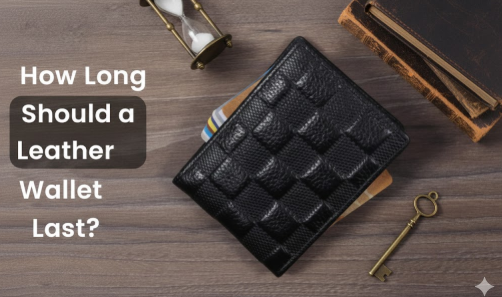
Leather wallets are more than just accessories; they are investments. A well-made leather wallet not only serves its purpose of holding cash and cards but also speaks to your style and taste. But just like any other leather item, your wallet will eventually show signs of wear and tear over time. The question is: how long should a leather wallet last and when should you replace it?
In this article, we’ll walk you through the expected lifespan of your leather wallet, the factors that affect its longevity, and the signs that indicate it might be time for a replacement. Let’s help you make sure your wallet lasts as long as possible—or when to know it’s time for a new one.
2. Realistic Lifespan Ranges: What to Expect
The lifespan of your leather wallet depends on a variety of factors, including the quality of the leather and how you treat it. On average, a high-quality leather wallet can last 5–10 years or even longer if maintained properly.
2.1 High-Quality Leather Wallets
Wallets made from full-grain leather or top-grain leather tend to last longer. These types of leather are durable, age well, and develop a beautiful patina over time. With proper care, these wallets can last for decades.
2.2 Lower-Quality Leather Wallets
Wallets made from genuine leather or lower-quality leathers might only last around 2–4 years, especially if they’re exposed to regular wear and tear or harsh conditions.
The longevity of your wallet also depends on your daily habits, environmental exposure, and how well you maintain it.
3. Key Factors That Determine Wallet Longevity
3.1 Leather Quality & Craftsmanship
Full-grain and top-grain leather are the most durable and resistant to wear and tear.
Craftsmanship matters—wallets that are well-stitched and made from high-quality materials will outlast poorly constructed ones.
3.2 Usage Habits
3.3 Care & Maintenance
Regular cleaning and conditioning can keep the leather supple and prevent it from drying out and cracking.
Avoid exposing your wallet to excessive moisture, heat, or sunlight, which can degrade the leather over time.
3.4 Wear and Tear from Everyday Life
The more you use your wallet, the more it will naturally show signs of aging. Folds, creases, and discoloration are normal parts of the process, but excessive damage from misuse can cause it to wear out quicker.
4. Signs It’s Time to Replace Your Leather Wallet
4.1 Cracks or Splits in the Leather
One of the most obvious signs of a wallet that’s beyond its prime is cracking or splitting leather. This typically occurs at the folds or seams where the leather is most stressed. Once leather starts cracking, it’s difficult to restore it to its original condition.
4.2 Loose Stitching or Seams Coming Apart
If the stitching on your wallet begins to unravel or the seams come apart, it’s a sign that the wallet’s structural integrity is compromised. This kind of damage is difficult to fix and can lead to further degradation.
4.3 Permanent Deformation or Loss of Shape
Leather wallets naturally change shape as they age, but excessive deformation (e.g., the wallet being too floppy or misshapen even when empty) can indicate it’s time for a replacement.
4.4 Fading or Discoloration
Some fading and discoloration is natural with leather, especially as it ages. However, if your wallet has uneven fading, water stains, or discoloration that doesn’t come out with cleaning and conditioning, it may be too worn to be considered presentable.
4.5 Edges or Corners Worn Through
If the edges or corners of your wallet are worn down, or holes begin to appear, it’s usually a sign of prolonged use. This damage can quickly worsen, and at this point, replacement may be the only viable option.
4.6 Functionality Issues
If your wallet no longer holds your cards properly, zippers don’t close, or cash slips out, it’s no longer performing its primary function.
4.7 Repeated Patches or Repairs
If you’ve had to repair your wallet multiple times, it might already be past its usable life and not worth further fixing.
5. How to Extend Wallet Life — Practical Care & Maintenance Tips
5.1 What to Do from Day One
5.2 Cleaning & Conditioning Schedule
5.3 Avoid Harmful Conditions
Keep your wallet away from water, extreme heat, and direct sunlight.
If your wallet gets wet, let it air-dry naturally—never use heat.
Don’t sit on your wallet in your back pocket.
5.4 Storage Habits
Store your wallet in a cool, dry place.
If not using it regularly, stuff it lightly with tissue paper to maintain shape.
5.5 Smart Carrying Habits
6. When to Replace vs When to Repair / Restore
If your wallet shows minor wear, like small scuffs or light discoloration, consider cleaning and conditioning it first. However:
For structural damage, such as cracks, torn stitching, or worn-out corners → replacement is usually better.
If it's a premium wallet, you may restore it professionally.
For lower-cost wallets → repairs are often not worth the cost.
7. Conclusion & Decision Guide
A leather wallet can last a long time with the proper care, but eventually, even the best wallets need to be replaced. The key is to regularly inspect your wallet for signs of damage and take care of it through cleaning, conditioning, and proper storage.