Ready To Shop?
Move from research to the right leather piece faster.
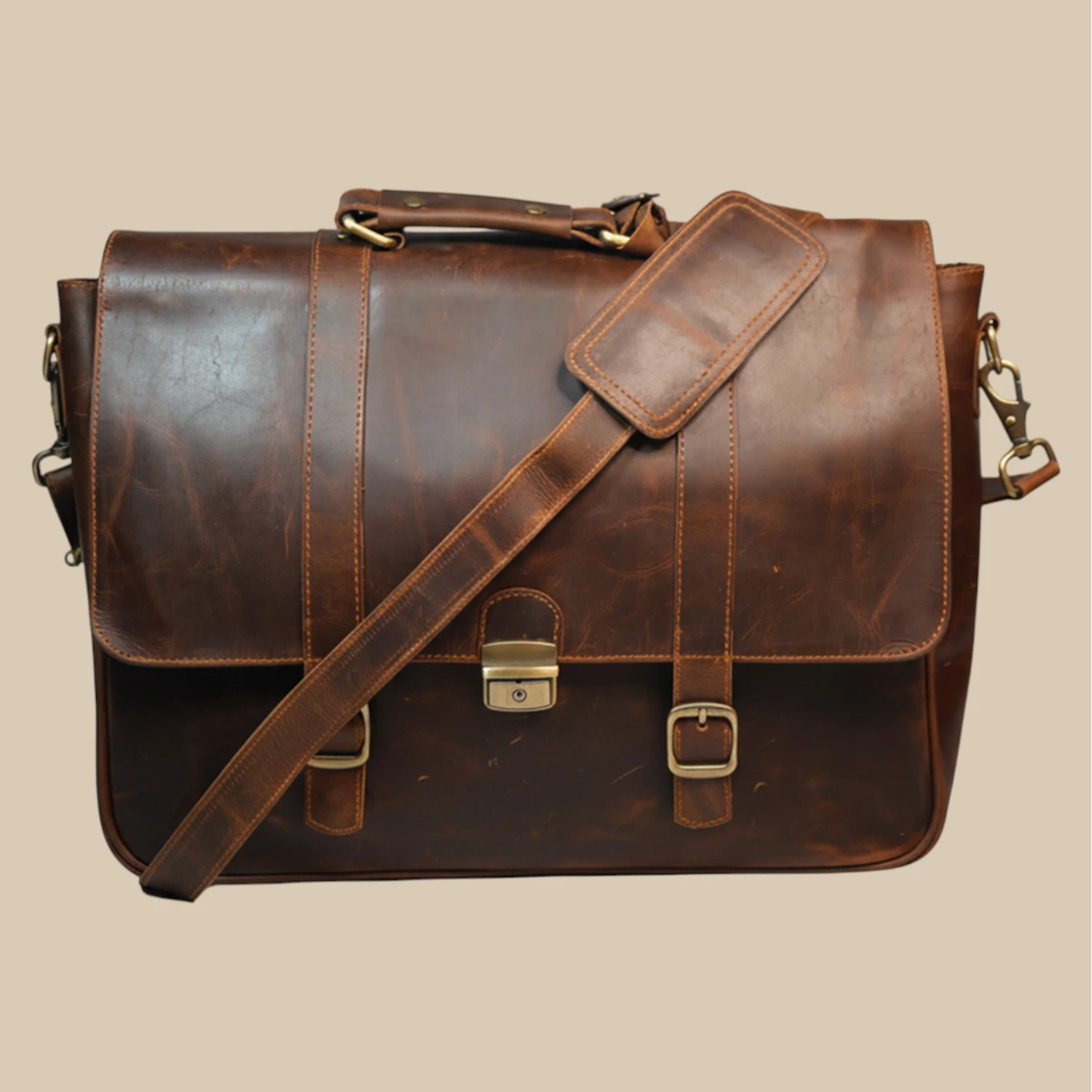
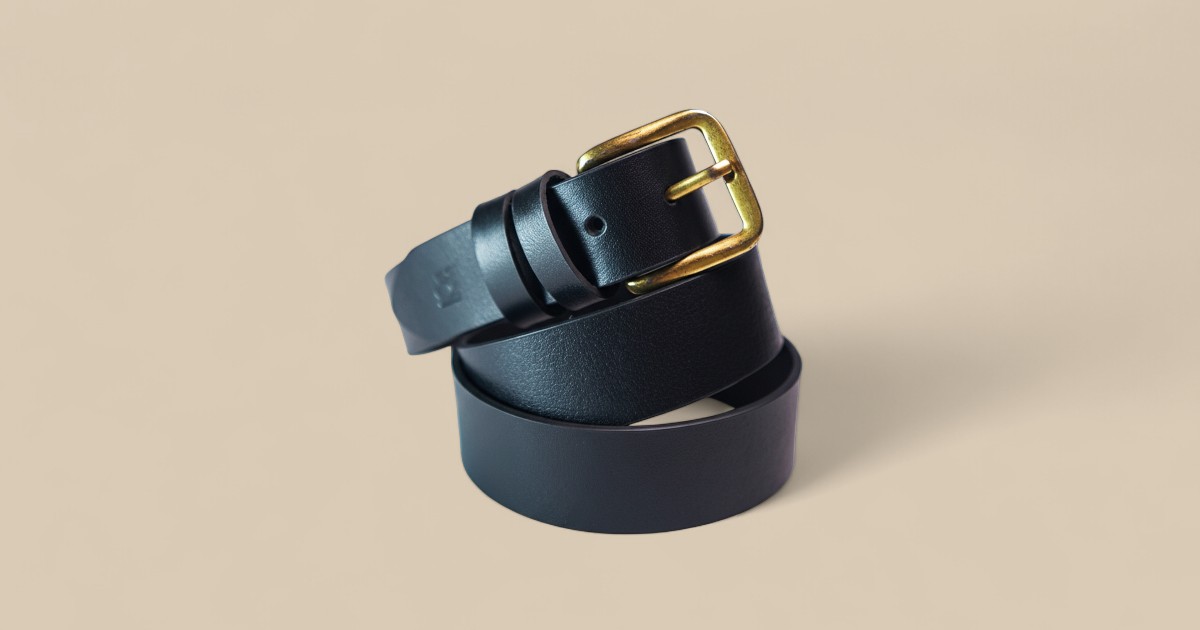
Use the collection links below to compare the products mentioned in this article, check colours and sizes, and buy with clearer confidence.
Premium leather styles
15-day returns
Secure checkout
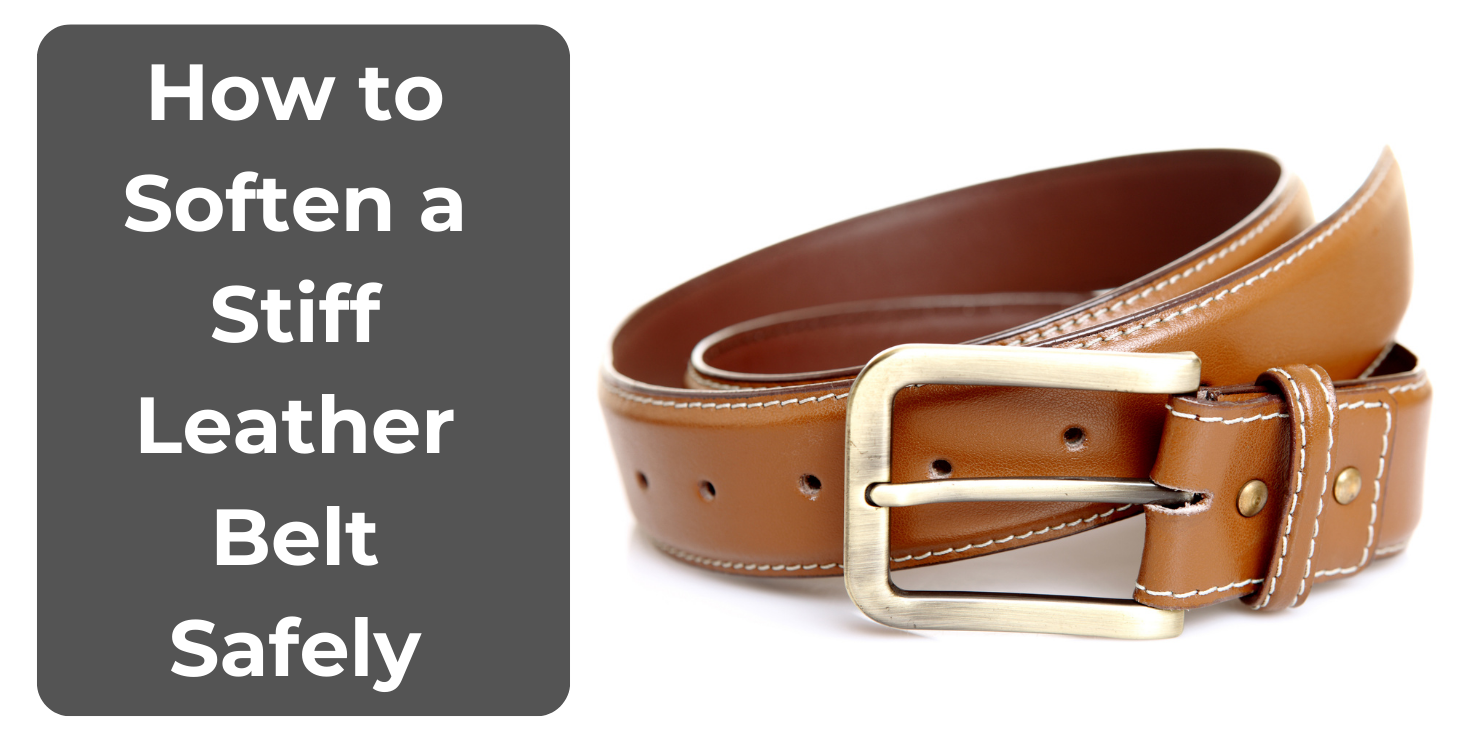
Leather belts, when properly maintained, can last for years and even improve in appearance with age. However, if your new leather belt feels stiff, it can be uncomfortable to wear and difficult to break in. Fortunately, there are safe and effective methods to soften a stiff leather belt without damaging its integrity. In this guide, we'll walk you through the best ways to soften your leather belt, whether you're trying to break in a brand new one or revive an older, hardened belt.
Why Is My Leather Belt Stiff?
Leather is a natural material made from animal hide. When it is initially tanned and crafted into a belt, it can sometimes feel stiff or rigid. This stiffness is most common in full-grain leather or top-grain leather belts. These types of leather retain the natural texture of the hide, which provides durability but can make the belt feel a bit hard at first.
Some of the reasons leather belts can be stiff include:
New leather: Leather often starts out stiff when it's new due to the lack of break-in.
Lack of conditioning: Over time, leather can dry out and become stiff if not properly conditioned.
Quality of the leather: Higher-quality leather, like full-grain leather, can feel firmer when new due to its dense, unprocessed nature.
Understanding these factors will help you choose the right method to soften your leather belt effectively and without causing any damage.
Safe Methods to Soften a Leather Belt
There are several methods to soften a stiff leather belt, from using natural oils and conditioners to gentle physical manipulation. The key is to apply softening agents carefully and gradually, avoiding harsh chemicals or excess heat that could damage the leather.
1. Use Leather Conditioner
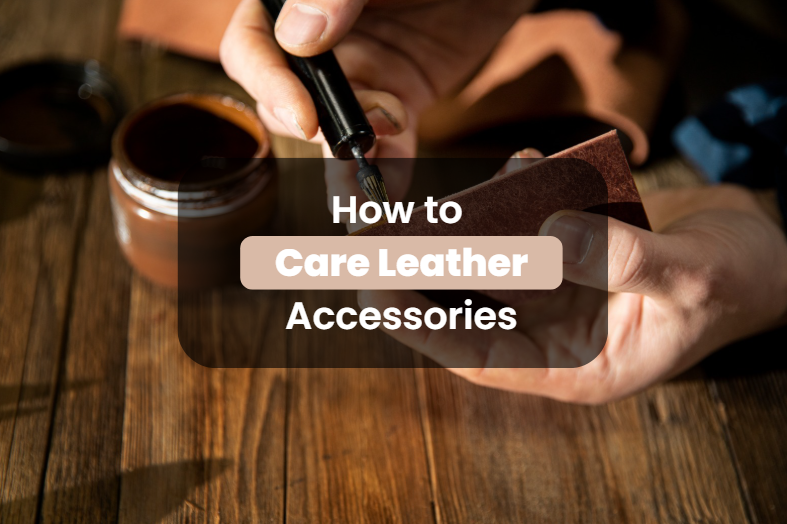
One of the most reliable ways to soften a leather belt is by applying a leather conditioner. Leather conditioners work by moisturizing the leather, which helps restore its natural oils and prevents it from becoming brittle. This process also keeps the belt supple and flexible.
How to apply leather conditioner:
Choose the right conditioner: Look for a product specifically made for leather goods, such as beeswax-based conditioners or natural leather creams. Avoid products with petroleum distillates, which can damage the leather over time.
Clean the belt: Before applying the conditioner, wipe down your belt with a damp cloth to remove any dirt or dust.
Apply the conditioner: Using a soft cloth, rub a small amount of conditioner into the belt. Work in circular motions, focusing on the areas that feel the stiffest.
Let it absorb: Allow the conditioner to sit on the belt for about 15 to 20 minutes. Then, wipe off any excess with a clean cloth.
Let it rest: Leave the belt to dry naturally at room temperature. Avoid placing it near direct heat sources like radiators or hairdryers.
Conditioning your belt every 3 to 6 months will ensure that it stays soft, pliable, and resistant to cracking.
Example: If you have a new full-grain leather belt, try using our leather care kit, which includes premium conditioners that keep your belt supple and extend its lifespan.
2. Use Natural Oils
Natural oils such as olive oil, coconut oil, and neatsfoot oil are excellent for softening leather. These oils nourish the leather by penetrating deep into the fibers, restoring moisture and preventing it from becoming too dry or stiff.
How to apply natural oils:
Choose the oil: Coconut oil is a great option for conditioning leather, as it’s mild and has no harsh chemicals. Neatsfoot oil is also popular for softening leather, but use it sparingly because it can darken the leather.
Test a small patch: Before applying the oil to the entire belt, test it on a small, inconspicuous area to ensure it doesn’t alter the colour or texture of the leather.
Apply the oil: Using a soft cloth, apply a small amount of the oil to the belt and rub it in gently. Work the oil into the leather with small circular motions, focusing on the stiff areas.
Let it sit: Leave the belt for 15 to 30 minutes to allow the oil to soak in.
Wipe off excess: After the oil has been absorbed, wipe off any excess oil to avoid a greasy residue.
Using natural oils can be a more cost-effective method to soften your belt and is highly recommended for genuine leather belts that may need a little more attention.
3. Wear It In
One of the simplest methods to soften a leather belt is simply to wear it. As you wear the belt, it will gradually conform to the shape of your body and soften with use. The natural movement and body heat will help the leather become more flexible.
How to break in your belt:
Wear it regularly: The more you wear your belt, the faster it will soften. You can wear it with jeans or trousers, and as you move, the leather will slowly adjust to your body.
Avoid over-tightening: When you wear the belt, avoid pulling it too tight. Over-tightening can cause unnecessary stress on the leather and lead to deformation.
Be patient: It may take a few days or even a week for the belt to soften to your liking, but with regular use, it will become more comfortable.
This method works best for stiff belts that have already been conditioned and are simply taking time to adjust to the wearer.
4. Gently Roll the Belt
Rolling the belt is another technique that can help speed up the softening process. By gently bending and rolling the leather, you encourage the fibers to become more pliable without causing any permanent damage.
How to roll your belt:
Roll the belt: Starting from one end, carefully roll your leather belt in the direction of the natural curve. Avoid forcefully twisting it, as this can damage the leather.
Apply pressure: As you roll the belt, apply gentle pressure to help soften the leather. Do this for 5–10 minutes, alternating between rolling and unrolling the belt.
Condition afterward: After rolling the belt, apply a leather conditioner to keep the leather from becoming too dry.
This method is particularly effective when you have a stiff belt that has become rigid from lack of use or exposure to the elements.
5. Use Heat (With Caution)
While heat can help soften leather, it’s important to use it cautiously. Excessive heat can cause the leather to dry out and crack. Always apply heat slowly and at a distance to avoid overheating the belt.
How to use heat safely:
Indirect heat: Hold the belt near a heat source like a radiator or heating vent for a short period of time. Make sure the belt is not exposed to direct heat, as this can dry it out.
Avoid direct heat: Never use a hairdryer or place the belt in an oven or microwave. These methods can cause irreversible damage to the leather.
Condition afterward: Once the belt has softened, apply a conditioner to replenish the lost moisture.
Use heat only when other methods, like conditioning and wearing in, have not yielded the desired results.
What Not to Do When Softening Your Leather Belt
While there are many safe methods for softening a stiff leather belt, there are also things you should avoid. Here are some common mistakes that can damage your leather belt:
Avoid excessive oiling: Applying too much oil, especially heavy oils like neatsfoot, can darken your belt and cause it to feel greasy.
Don’t use harsh chemicals: Steer clear of products that contain harsh chemicals, like silicone or petroleum-based conditioners. These can degrade the leather over time.
Don’t overheat: Excessive heat can strip the leather of its natural oils, causing it to dry out and crack.
Don’t over-tighten: When you wear your belt, avoid pulling it too tight. This can warp the leather and prevent it from softening properly.
Conclusion: Softening Your Leather Belt Safely
Softening a stiff leather belt takes patience and care, but with the right techniques, you can restore its softness and make it more comfortable to wear. Whether you choose conditioning, natural oils, or simply wearing the belt in, each method has its own advantages. Be sure to avoid harsh chemicals, excessive heat, and over-tightening to preserve the longevity and beauty of your leather belt.
For high-quality leather belts that stand the test of time, check out our Leather Belts Collection and experience comfort and durability in every wear.