Ready To Shop?
Move from research to the right leather piece faster.
Use the collection links below to compare the products mentioned in this article, check colours and sizes, and buy with clearer confidence.
Premium leather styles
15-day returns
Secure checkout
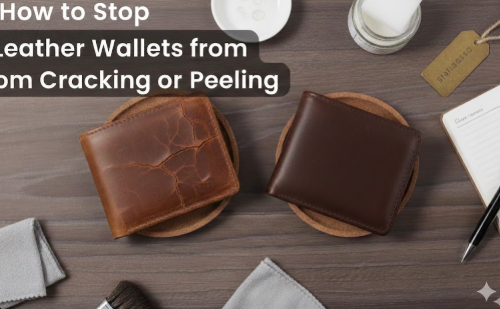
Leather wallets are an investment in style, functionality, and durability. However, over time, they can begin to show signs of damage, such as cracking or peeling, especially if they aren’t cared for properly. Leather, as a natural material, requires regular maintenance to keep it looking great and functioning well.
This article will explain why leather wallets crack or peel, how to prevent this damage, how to repair minor issues, and which leather care products from our store can help prolong your wallet’s life.
Why Leather Wallets Crack or Peel
Leather is a natural material, and like any organic substance, it can deteriorate without proper care. Common reasons include:
1. Dryness
Leather can dry out over time, especially when exposed to harsh environmental conditions. Without conditioning, it becomes brittle and prone to cracking or peeling.
2. Sunlight and Heat Exposure
Direct sunlight and high temperatures pull oils out of leather, causing fading, cracking, and peeling.
3. Frequent Bending or Overstuffing
Overstuffing your wallet places pressure on seams and folds, causing stress that leads to cracking at common bending points.
4. Low-Quality Leather
Bonded or coated leather peels easily because it’s made of compressed scraps with an artificial surface layer.
Full-grain leather, however, is durable and ages beautifully when properly maintained.
Common Mistakes That Accelerate Leather Damage
1. Overstuffing Your Wallet
Carrying too many cards or receipts stretches the leather and weakens it.
Tip: Keep only essential items.
2. Using Harsh Cleaning Products
Alcohol, detergents, and household cleaners strip leather of its natural oils.
Tip: Only use leather-safe cleaning products.
3. Improper Storage
Leaving your wallet in sunlight, heat, or humidity leads to rapid deterioration. Storing it in your back pocket while sitting also causes unnecessary bending.
Tip: Store in a cool, dry place away from sunlight.
How to Prevent Leather Wallets from Cracking or Peeling
1. Regular Cleaning & Conditioning
Leather needs moisture to stay flexible and durable.
How Often to Clean and Condition
What Products to Use
Use:
Mild leather cleaner
High-quality conditioner
Tip: Don’t forget edges and seams—they crack first.
2. Proper Handling and Storage
Avoid Overstuffing
Carry only essential cards and cash.
Rotate Your Wallets
Switch between wallets if used daily.
Proper Storage
Store in a cool, dry environment. If storing long-term, fill with soft tissue to maintain shape.
3. Use the Right Products for Care
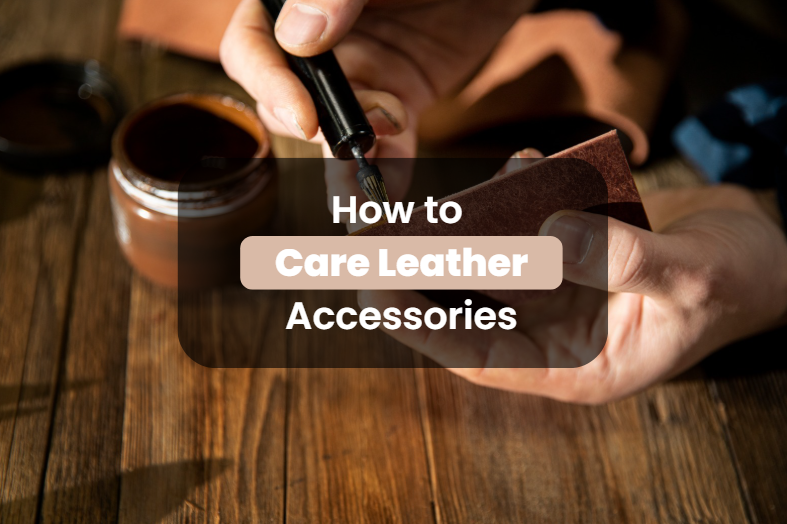
Conditioning Creams & Balms
These restore moisture and keep leather soft.
Avoid Harsh Chemicals
No alcohol, bleach, or household cleaners.
Choose Natural Ingredients
Beeswax, lanolin, and natural oils nourish leather best.
How to Restore a Cracked or Peeling Leather Wallet
1. Minor Cracks and Peels
For light cracking:
2. Major Damage
Extensive peeling—especially on bonded leather—may require replacement or professional repair.
Tip: Full-grain leather responds best to restoration.
Long-Term Care Tips for Maintaining Leather Wallets
1. Set a Maintenance Schedule
Clean and condition every few months.
2. Use Properly
Avoid bending, stuffing, or compressing your wallet.
3. Use Leather-Specific Products
Stick to products designed for leather to ensure longevity.
Following these habits will keep your wallet looking great, lasting longer, and developing a rich natural patina.
Conclusion
With the right care, your leather wallet can stay fresh and durable for years. Regular cleaning, conditioning, and proper storage prevent cracking and peeling, while appropriate products help maintain flexibility and beauty. For minor damage, repair kits can restore your wallet’s appearance, and consistent care ensures long-term durability.