Walking into a store and seeing "genuine leather" tags makes you assume you're buying quality material worth the premium price being charged.
But genuine leather doesn't mean what you think.
Different leather types vary dramatically in quality, durability, and price ranging from premium full-grain to low-grade bonded leather that barely qualifies as real.
Understanding leather types transforms you from confused buyer into informed consumer capable of identifying quality and making smart purchasing decisions about accessories.
Most people assume all real leather offers similar quality not realizing that manufacturing processes create vastly different materials from identical animal hides originally.
This comprehensive guide explains every major leather type, how they compare in quality and durability, and which works best for specific products.
You'll learn what separates premium from budget leather, how different types age over time, and which leather deserves your investment dollars.
By the end, you'll confidently identify quality leather and choose the right type for bags, belts, wallets, and other accessories.
Why Leather Quality Matters
Leather's special qualities include natural durability, breathability, flexibility, and beauty that improves with age when materials receive proper care and maintenance.
Real leather adapts to your body and usage patterns developing unique character through natural patina that synthetic materials cannot replicate authentically.
The material's versatility allows creation of everything from formal business accessories to rugged outdoor gear maintaining appropriate aesthetics across diverse applications.
Why leather quality varies dramatically:
The same animal hide produces vastly different leather qualities depending on which hide layers manufacturers use and what processing methods they apply.
Premium leather uses the strongest outermost hide layers with natural grain intact preserving durability and beauty throughout decades of use and wear.
Lower-quality leather uses inner hide layers or heavily processed outer layers that sacrifice natural characteristics for cost savings and manufacturing convenience.
Tanning methods, finishing processes, and quality control standards further differentiate premium from budget leather creating price ranges spanning hundreds of dollars for similar items.
Quality differences affect how leather feels initially, how it performs during years of use, and whether it develops beautiful patina or simply looks worn.
Types of Leather: What's the Difference?
Understanding specific leather types helps you evaluate products accurately and choose materials appropriate for your needs, budget, and expectations about performance.
Full-Grain Leather: The Premium Choice
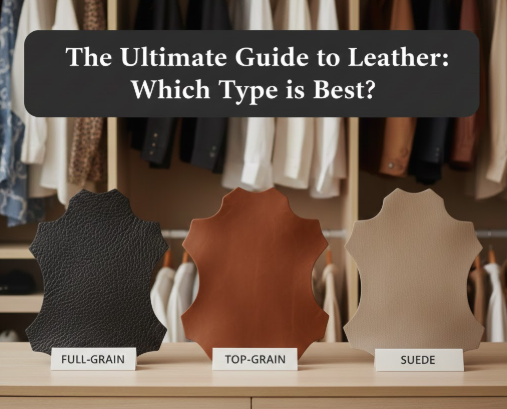
Full-grain leather represents the highest quality leather available using the complete outer hide layer with natural grain pattern fully intact and visible.
This premium leather retains all natural markings, pores, and texture variations that prove authenticity while providing maximum durability and strength for demanding use.
What makes full-grain leather superior:
Contains the strongest most durable fibers from the hide's dense outer layer
Develops rich beautiful patina over years of use adding character
Resists moisture and staining better than processed leathers naturally
Lasts decades with proper care outlasting cheaper alternatives dramatically
Breathes naturally preventing the stuffiness synthetic materials create
Maintains structural integrity without cracking or deteriorating prematurely
Full-grain leather costs significantly more than other types because manufacturers must start with perfect hides showing minimal natural imperfections throughout surfaces.
This leather works beautifully for leather bags, belts, wallets, and accessories where durability and aging characteristics justify premium investment in quality materials.
The natural surface shows character from the beginning including small scars, wrinkles, and grain variations that prove the leather's authenticity and quality.
Top-Grain Leather: The Practical Alternative
Top-grain leather uses the outer hide layer like full-grain but undergoes light sanding to remove minor surface imperfections before receiving protective finish coatings.
This processing creates smoother more uniform appearance than full-grain while maintaining good durability and quality suitable for premium products at lower prices.
Characteristics of top-grain leather:
The sanding process removes the very outermost surface fibers and some natural grain pattern creating consistently smooth appearance across entire leather pieces.
Manufacturers apply protective finishes to sanded surfaces providing stain resistance and uniform color that appeals to consumers preferring consistent appearance over natural variations.
Top-grain leather costs less than full-grain because manufacturers can use hides with minor imperfections that sanding removes making more raw materials suitable.
Durability remains excellent though slightly below full-grain because the densest fiber layer gets partially removed during surface preparation before finishing applications.
This leather develops patina more slowly than full-grain due to protective surface coatings that slow the natural aging process that creates character.
Top-grain works excellently for leather bags, accessories, and furniture where good quality matters but budget constraints make full-grain leather impractical for purchases.
Genuine Leather: Understanding the Confusion
Genuine leather represents a confusing marketing term that technically means real leather but actually indicates lower-quality material than full-grain or top-grain options.
This leather comes from inner hide layers below the premium outer layers or uses heavily processed leather scraps bonded together with adhesives and coatings.
What genuine leather really means:
The term "genuine" sounds premium but actually serves as an industry designation for lower-grade leather products using inferior hide portions or processing.
Manufacturers create genuine leather by splitting thick hides into layers then using the weaker inner layers that lack the outer surface's natural durability.
Heavy processing including sanding, embossing, and coating tries to make these inferior layers resemble quality leather without providing equivalent performance or longevity.
Genuine leather costs substantially less than full-grain or top-grain because it uses hide portions that premium manufacturers discard or sell cheaply to budget producers.
Performance characteristics:
This leather feels stiff initially and doesn't develop attractive patina like premium leathers instead simply showing wear that makes products look old and shabby.
Durability proves adequate for light use but genuine leather products typically need replacement within few years unlike premium leathers lasting decades with care.
Genuine leather works acceptably for budget accessories where cost constraints outweigh longevity concerns or for items receiving occasional use not justifying premium investment.
Bonded Leather: The Budget Option
Bonded leather barely qualifies as real leather consisting of leather scraps and fibers mixed with polyurethane or latex then pressed into sheets resembling leather.
This material contains only 10-20% actual leather fibers with the remainder consisting of synthetic bonding agents creating composite material with limited leather characteristics.
Why bonded leather disappoints:
The manufacturing process destroys natural leather structure eliminating breathability, durability, and aging characteristics that make real leather desirable for quality products.
Bonded leather peels, cracks, and deteriorates rapidly typically lasting only 1-3 years before becoming unusable compared to decades for premium leathers with care.
The material cannot be repaired, conditioned, or maintained like real leather because synthetic components don't respond to leather care products designed for natural materials.
Bonded leather works only for extreme budget situations where immediate low cost outweighs all quality and longevity considerations making it unsuitable for meaningful purchases.
Suede vs Nubuck: Soft Textured Leathers
Suede and nubuck both feature soft velvety surfaces created from leather's flesh side but differ in which hide layers manufacturers use for production.
Suede characteristics:
Suede comes from the inner split layers of hides featuring naturally fuzzy texture because the flesh side faces outward creating the characteristic napped surface.
This leather feels very soft and looks casual making it perfect for jackets, shoes, and accessories where texture adds visual interest and tactile appeal.
Suede absorbs stains and water easily requiring protective treatments and careful handling to maintain appearance throughout use preventing permanent damage from exposure.
Nubuck characteristics:
Nubuck uses the outer grain side of hides that gets lightly buffed creating fine velvet-like texture while maintaining the outer layer's superior durability.
This leather costs more than suede because it uses premium hide portions that could become full-grain leather if not buffed for textured appearance.
Nubuck resists staining slightly better than suede because it uses the stronger outer hide layer but still requires careful maintenance and protective treatments.
Both materials work beautifully for fashion accessories, casual bags, and seasonal items where their distinctive appearance justifies extra maintenance requirements they demand.
Patent Leather: Glossy and Formal
Patent leather features high-gloss coating applied to leather surfaces creating mirror-like shine distinctive in formal footwear, dress bags, and evening accessories.
Manufacturers create patent leather by applying multiple layers of lacquer or polyurethane coating to smooth leather bases then polishing to brilliant shine.
The coating provides excellent water resistance and easy cleaning making patent leather practical for formal occasions despite its delicate appearance suggesting fragility.
Patent leather works perfectly for dress shoes, formal handbags, and accessories where dramatic shine creates desired formal elegant aesthetic for special occasions.
The material requires gentle cleaning with damp cloths avoiding harsh chemicals that damage protective coatings creating dull spots or cracking in glossy surfaces.
Vegetable-Tanned Leather: Traditional and Sustainable
Vegetable-tanned leather uses natural tannins extracted from tree bark, leaves, and plant materials creating environmentally friendly leather through traditional ancient methods.
This tanning process takes months compared to days for chemical tanning producing leather with unique characteristics and superior aging properties favored by artisans.
Benefits of vegetable tanning:
The natural tanning agents create leather that develops the richest most beautiful patina of any type aging magnificently through decades of use and handling.
Vegetable-tanned leather feels firmer initially than chrome-tanned leather gradually softening and conforming to use patterns creating personalized fit and character over time.
The biodegradable tanning agents make this leather more environmentally sustainable than chemically tanned alternatives reducing environmental impact of leather production significantly.
This leather works beautifully for leather belts, wallets, and bags where patina development adds value and character making items more beautiful as they age.
Vegetable-tanned leather costs more due to lengthy production time and skilled craftsmanship required but delivers superior aging characteristics justifying premium pricing.
Chrome-Tanned Leather: Modern and Practical
Chrome-tanned leather uses chromium salts in fast chemical tanning process creating soft supple leather within days rather than months required for vegetable tanning.
This modern tanning method produces approximately 80% of commercial leather worldwide due to efficiency, consistency, and cost-effectiveness for mass production needs.
Chrome tanning characteristics:
The chemical process creates very soft leather immediately requiring no breaking-in period making it ideal for products demanding immediate comfort and flexibility.
Chrome-tanned leather resists water and staining better than vegetable-tanned leather though it develops less dramatic patina over time with regular use and aging.
This leather costs less than vegetable-tanned alternatives because rapid production cycles and consistent results reduce manufacturing time and waste throughout production.
Chrome-tanned leather works excellently for leather bags, upholstery, and products where soft feel and water resistance matter more than distinctive patina development.
How to Choose the Right Leather for Your Product
Different products demand different leather characteristics making certain types more suitable than others for specific applications requiring particular performance characteristics and aesthetics.
Best Leather for Bags
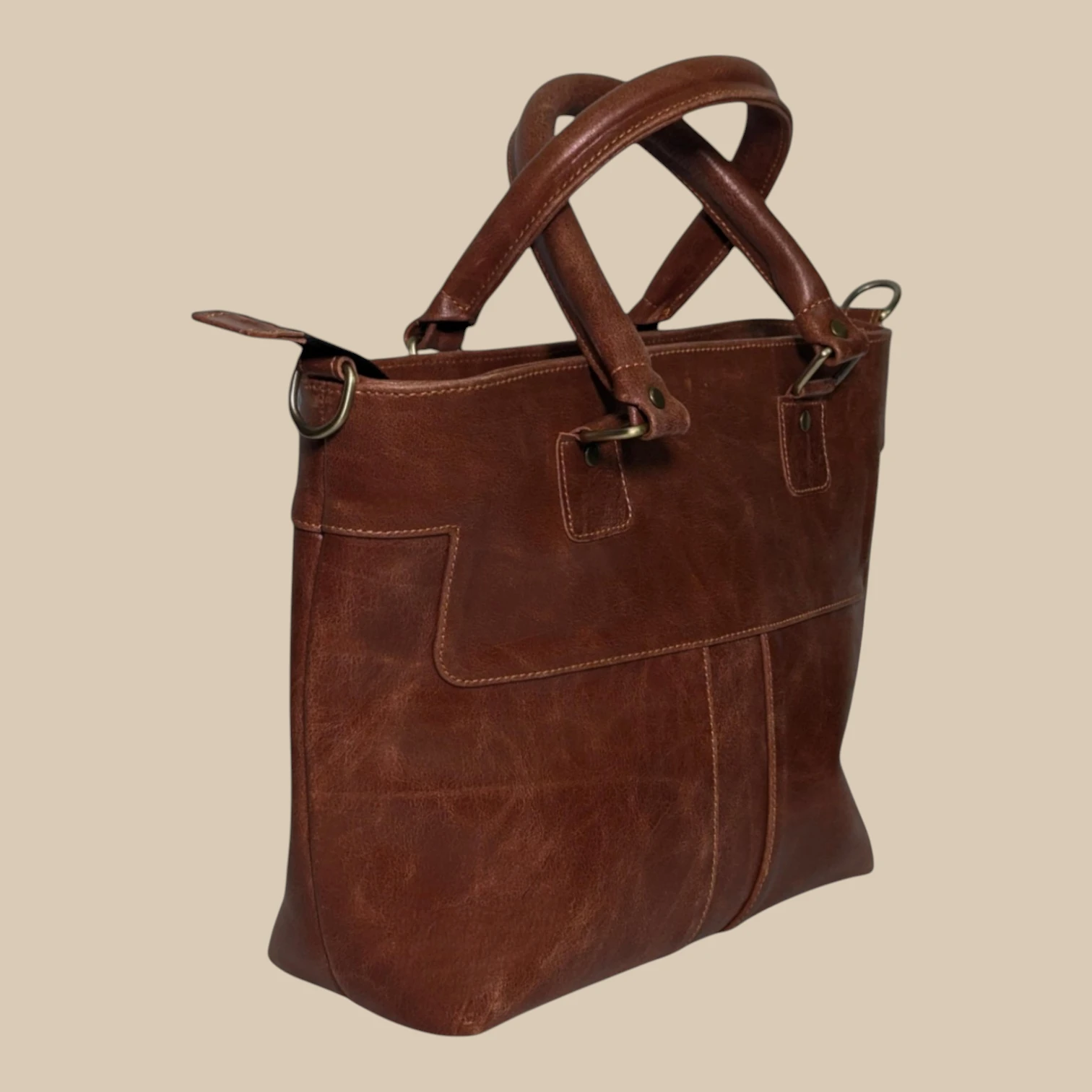
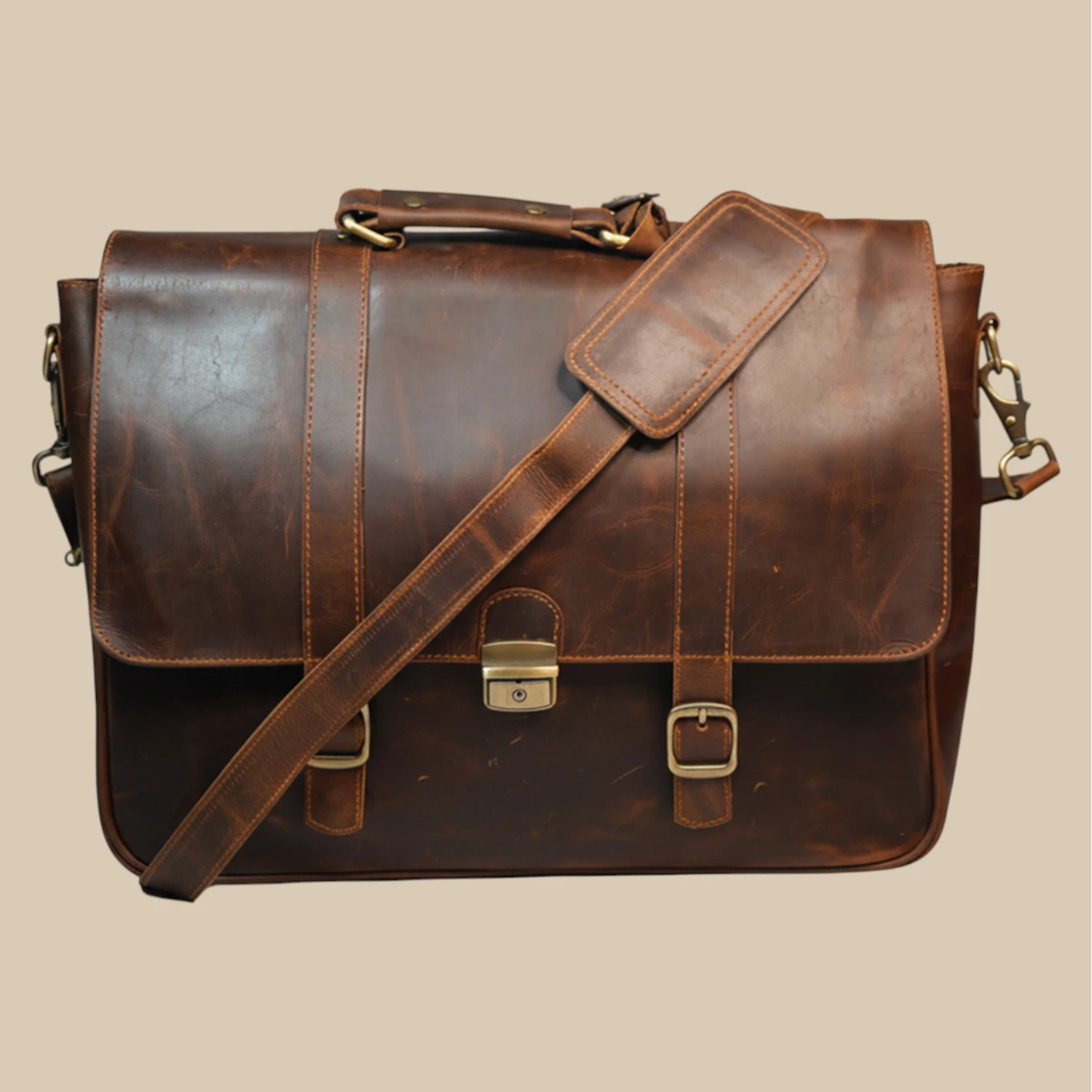
Full-grain leather provides optimal choice for quality bags offering durability, beautiful aging, and structural integrity supporting years of daily use and carrying.
The material maintains shape while developing character making bags look better over time rather than simply worn justifying higher initial investment costs.
Top-grain leather works well for bags when budget constraints make full-grain impractical providing good durability and appearance at accessible price points.
Vegetable-tanned leather excels for structured bags and briefcases where firmness helps maintain shape while patina development adds distinguished appearance over years.
Best Leather for Belts
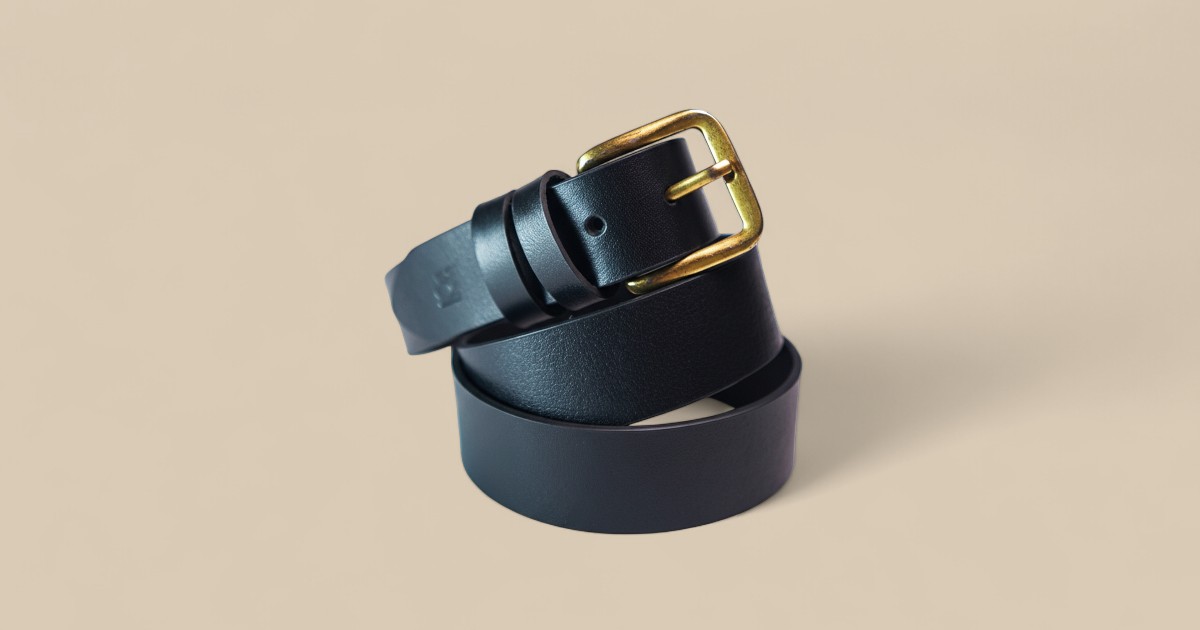
Full-grain leather creates the longest-lasting most durable belts maintaining structural integrity through years of daily wear and tension around waists.
Vegetable-tanned leather develops beautiful patina on belts making them increasingly attractive as natural wear patterns emerge creating personalized unique appearance over time.
The firmness of vegetable-tanned leather helps belts hold shape and support weight without stretching excessively or sagging like softer leathers eventually do.
Best Leather for Wallets
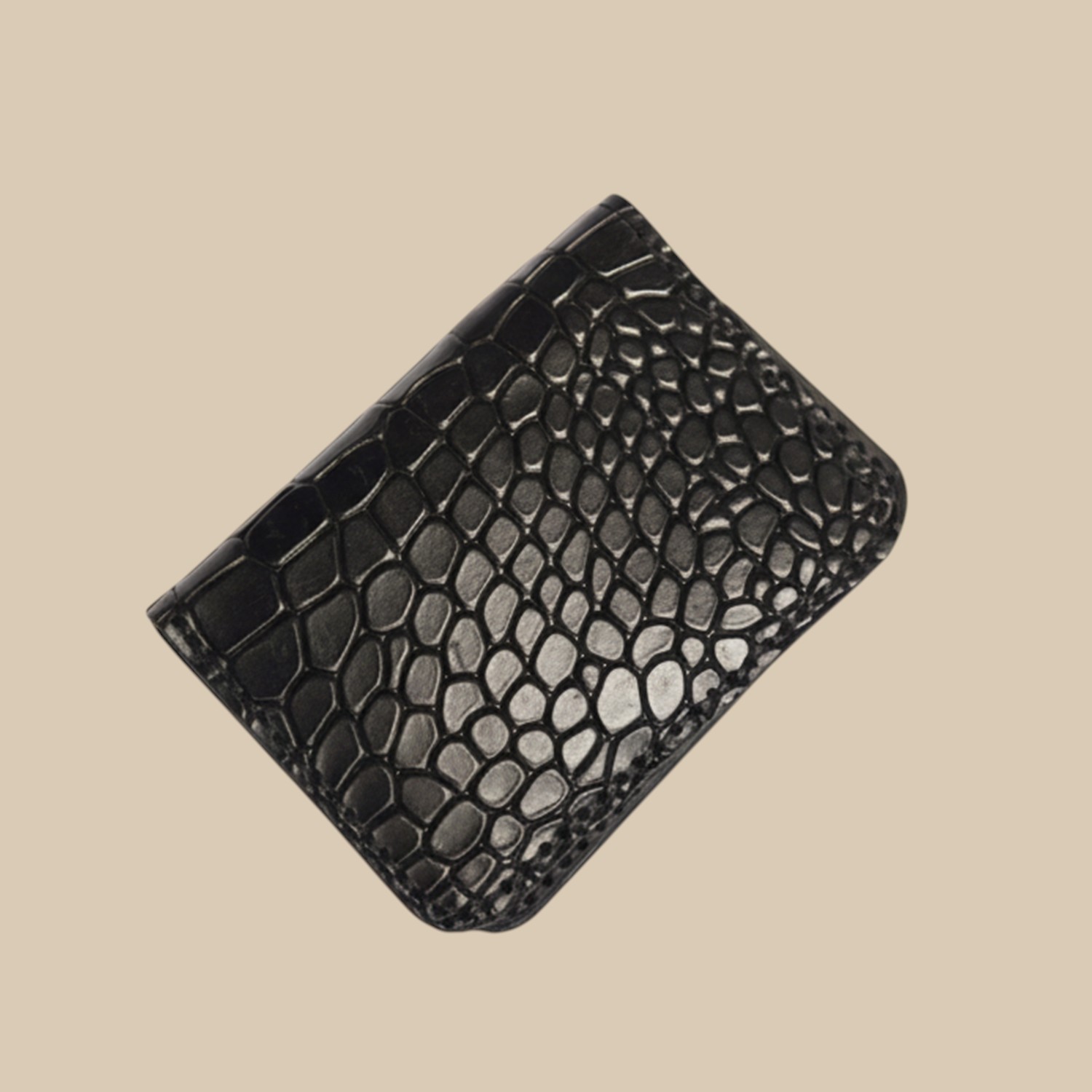
Full-grain leather provides optimal wallet material combining durability with slim profile that improves through use as leather molds to pocket and contents.
Vegetable-tanned leather works beautifully for wallets developing rich color and patina that makes wallets family heirlooms passed down through generations with proper care.
Top-grain leather offers practical wallet choice balancing cost with performance for everyday carry items receiving constant use throughout typical days and years.
Identifying Quality Leather
High-quality leather shows natural grain patterns, slight variations, and small imperfections proving authenticity rather than uniform perfection suggesting heavy processing or synthetic materials.
The leather smells naturally earthy and pleasant rather than chemical or plastic indicating real material properly tanned using quality methods and materials.
Quality leather feels supple yet substantial with natural give suggesting proper tanning and finishing rather than stiff or papery feel indicating poor materials.
Edges appear smooth and finished on quality leather products rather than rough or fuzzy suggesting attention to craftsmanship throughout manufacturing and production.
How Different Leathers Age Over Time
Patina development represents the natural darkening and color enrichment that occurs as leather absorbs oils and develops character through handling and exposure over years.
Best aging characteristics:
Full-grain leather develops the most dramatic beautiful patina with rich color depth and natural sheen that makes products increasingly attractive as they age gracefully.
Vegetable-tanned leather shows the fastest most distinctive patina development transforming dramatically from light tan to deep rich brown within years of regular use.
Top-grain leather develops moderate patina though protective finishes slow the process compared to uncoated full-grain leather aging naturally through exposure and handling.
Genuine leather and bonded leather show minimal positive aging simply appearing worn rather than developing attractive patina that adds value and character to products.
How to Care for Different Types of Leather
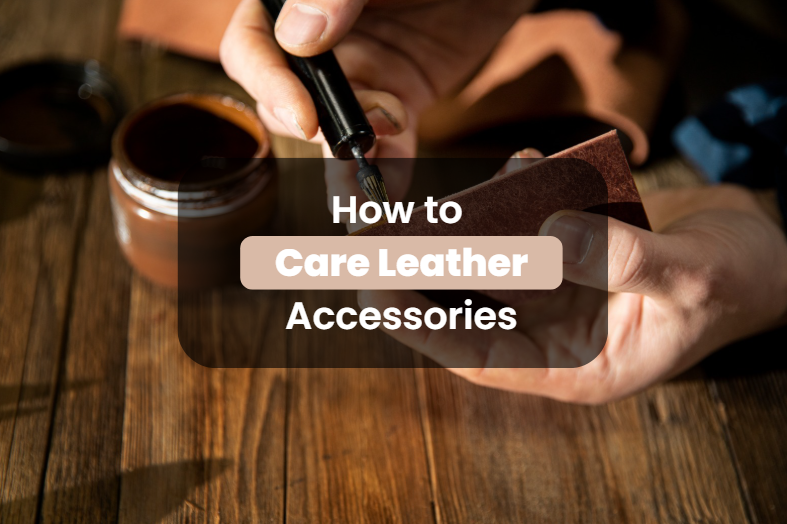
Each leather type requires specific care approaches because different manufacturing processes create materials with distinct characteristics demanding tailored maintenance strategies for longevity.
Caring for full-grain and top-grain leather:
Clean these premium leathers every 4-6 weeks using leather-specific cleaners removing dirt and oils before they penetrate permanently staining material surfaces.
Condition every 3-6 months with quality leather conditioner replenishing natural oils maintaining suppleness and preventing the drying that causes cracking over time.
Store in cool dry places away from direct sunlight that fades color and accelerates oil evaporation causing premature aging and deterioration unnecessarily.
Suede and nubuck care:
These delicate leathers require specialized brushes and cleaners designed specifically for napped surfaces avoiding products formulated for smooth leather that damage texture.
Brush regularly removing surface dirt before it penetrates deeply into napped fibers where removal becomes difficult or impossible without professional cleaning services.
Apply protective sprays designed for suede creating barriers that repel water and stains preventing the permanent damage these materials suffer from moisture exposure.
Patent leather maintenance:
Wipe patent leather with damp soft cloths removing dirt and fingerprints without harsh chemicals that damage protective coatings creating dull spots or cracking.
Avoid petroleum-based products that dissolve lacquer coatings causing permanent damage requiring professional refinishing or product replacement to restore appearance and protection.
What to avoid with all leather:
Never use harsh household cleaners, alcohol-based products, or excessive water that strip natural oils and damage leather permanently through chemical reactions.
Avoid direct heat sources like radiators, hair dryers, or direct sunlight that cause rapid drying leading to stiffness, cracking, and color fading.
Benefits of Choosing High-Quality Leather
Premium leather provides superior long-term value despite higher initial costs because durability and aging characteristics eliminate replacement needs for decades with proper care.
Investment value considerations:
A quality full-grain leather bag costing $500 lasting 20+ years costs $25 annually while $100 genuine leather bag lasting 3 years costs $33 annually.
Premium leather maintains resale value particularly for luxury brands using full-grain leather while cheaper alternatives become worthless once showing wear and age.
The improved appearance, feel, and performance of quality leather enhance daily experience justifying premium costs through years of superior use and enjoyment.
Environmental considerations:
Quality leather lasts longer reducing waste from frequent replacements that budget leather demands creating larger environmental footprint through repeated manufacturing and disposal.
Vegetable-tanned leather uses renewable plant-based tanning agents rather than heavy metals creating more sustainable production with reduced environmental impact throughout processing.
Durable leather products replace synthetic alternatives that shed microplastics and require petroleum-based manufacturing creating pollution throughout production and disposal eventually.
Leather versus synthetic materials:
Real leather breathes naturally preventing the moisture buildup and odors that plague synthetic materials in shoes, bags, and accessories worn against bodies.
Leather molds to your use patterns creating personalized fit and comfort while synthetics maintain rigid original shape causing discomfort during extended use.
Quality leather repairs easily through professional restoration while synthetic materials become irreparable once damaged requiring complete product replacement instead of simple fixes.
Conclusion: Choosing the Perfect Leather for Your Needs
Understanding leather types empowers you to make informed purchasing decisions choosing materials appropriate for your needs, budget, and expectations about performance and longevity.
Choose full-grain leather when longevity, beauty, and aging characteristics justify premium investment in accessories you'll use for decades with proper maintenance.
Select top-grain leather for quality products when budget constraints make full-grain impractical but you still want durability and good appearance throughout years.
Consider vegetable-tanned leather for items where patina development and traditional craftsmanship add value making products increasingly beautiful as they age naturally.
Avoid genuine leather and bonded leather unless extreme budget constraints force compromises accepting poor longevity and minimal aging characteristics as trade-offs for savings.
Your leather purchases represent investments in quality materials that serve you beautifully for years when you choose appropriate types for specific applications.
Quality leather deserves thoughtful selection and proper care protecting your investment while ensuring products maintain beauty and function throughout extended lifespans ahead.