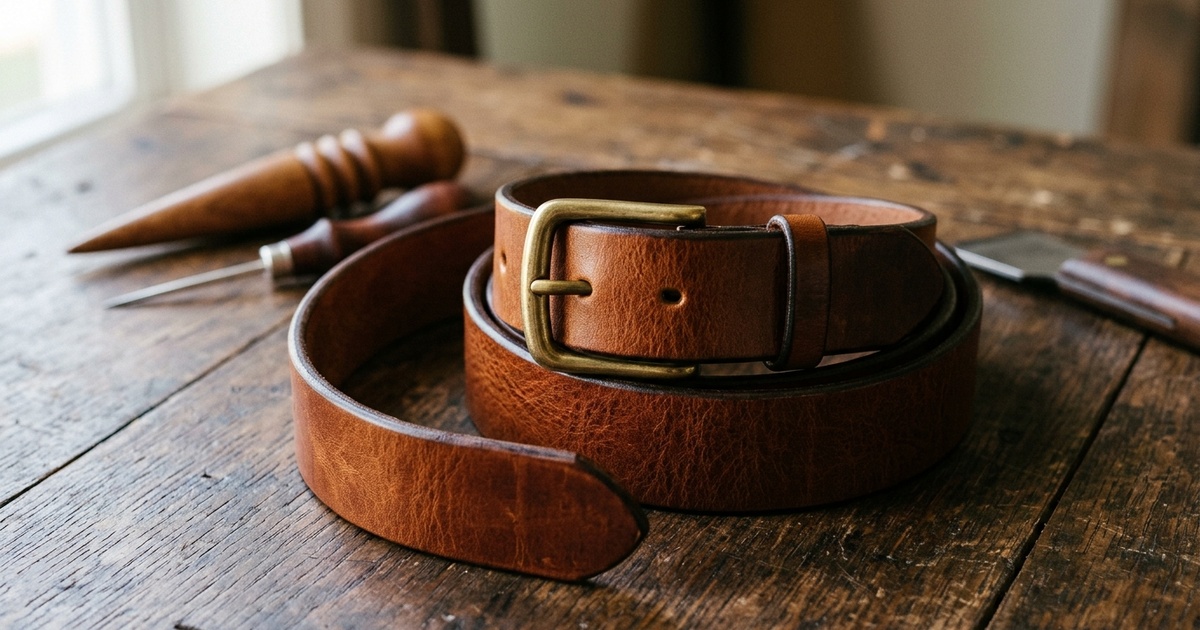
A leather belt can look great when it is new, but what happens after months or even years of regular use? Some materials lose their shape, crack, or show signs of wear much sooner than expected. Others develop a character of their own, becoming more interesting with age. The difference often comes down to the type and quality of leather used to make them.
Cowhide leather is one of the most widely used materials in the leather industry. From everyday belts and wallets to bags and accessories, it has earned a strong reputation for its strength, natural texture, and long-lasting appeal. However, not everyone knows what makes it different from other leather types or why manufacturers continue to choose it for products designed for regular use.
If you are new to leather goods, understanding the material is an important first step before making a purchase. You may have questions such as: What is cowhide leather? Is cowhide leather real leather? Does it last longer than other materials? And is it a good choice for handmade leather belts?
This guide answers these questions in simple terms. We will explore how cowhide leather is made, its different types, benefits, limitations, common uses, and what to look for when buying leather products. Whether you are considering your first genuine leather belt or simply want to understand the material better, this guide will help you make a more informed decision.
What Is Cowhide Leather?
Cowhide leather is natural animal leather made from the hide of cattle. It is produced by treating and processing the outer skin of a cow or other bovine animal to make it suitable for use in accessories and other products.
The natural hide contains a strong network of collagen fibers. These fibers give the material much of its strength, flexibility, and ability to withstand everyday wear. Through tanning and finishing, the raw hide becomes durable leather that can be cut, shaped, dyed, and crafted into different products.
One reason cowhide leather is so popular is its balance of strength and flexibility. It can be firm enough to hold its shape while remaining flexible enough for products such as belts and bags. Its surface may also feature natural grain patterns, subtle markings, and variations in texture that make each piece slightly different.
Cowhide is available in several grades and finishes. Some varieties have a smooth, polished appearance, while others retain a more natural texture. The final look and feel depend on factors such as the quality of the original hide, the tanning process, and the finishing methods used.
For beginners, the most important thing to understand is that cowhide leather is not a single uniform material. Its quality can vary significantly depending on how it is processed and which part of the hide is used.
What Does Cowhide Leather Mean?
The term cowhide leather simply refers to leather produced from cattle hides. The word “cowhide” identifies the animal source, while “leather” describes the material created after the hide has been processed and preserved.
You may see this term used in product descriptions, leather belts, wallets, and other accessories. However, it is important to understand that cowhide does not automatically tell you everything about the quality of a leather product.
For example, two belts may both be advertised as cowhide leather, but they may have very different construction methods, thicknesses, finishes, and expected lifespans.
One might be made from full-grain cowhide, which retains the natural grain of the hide. Another might use split leather with a coated surface. Both come from cattle, but they are not identical in terms of structure or performance.
When shopping for leather products, look beyond the word cowhide. Check whether the manufacturer identifies the leather grade, thickness, construction, and finishing process.
Understanding these details helps you compare products more accurately instead of relying on a single label.
Is Cowhide Leather Real Leather?
Yes. Cowhide leather is real, natural animal leather. It comes from the processed hide of cattle rather than being manufactured entirely from synthetic materials.
However, the term “real leather” can sometimes create confusion because different leather products use different parts of the hide and undergo different processing methods.
Genuine cowhide leather contains natural animal fibers, although its surface may be treated, coated, dyed, or finished to achieve a particular appearance. These treatments do not automatically make it synthetic.
How Is Real Cowhide Different From Faux Leather?
Faux leather is made to resemble natural leather without using an animal hide as its main material. Common synthetic alternatives include polyurethane (PU) and polyvinyl chloride (PVC).
Although these materials can look similar to real leather, their composition and performance are different.
Natural cowhide leather has a fibrous structure that allows it to develop a distinctive appearance through use. Depending on its quality and finish, it may soften, develop creases, and gain character over time.
Synthetic leather usually has a manufactured surface designed to maintain a consistent appearance. It does not develop the same natural aging characteristics as animal leather.
Here are some basic differences:
| Feature |
Cowhide Leather |
Faux Leather |
| Material source |
Natural cattle hide |
Synthetic materials |
| Surface texture |
Natural grain variations |
Usually manufactured texture |
| Aging |
Can develop a natural patina |
Usually does not develop a natural patina |
| Durability |
Depends on leather grade and construction |
Depends on synthetic material and quality |
| Flexibility |
Varies by thickness and treatment |
Varies by material |
| Maintenance |
Requires suitable leather care |
Usually needs simple surface cleaning |
| Appearance |
Natural variations are common |
Often has a more uniform appearance |
Neither material is automatically the right choice for every situation. Faux leather may suit shoppers looking for a lower-cost alternative or a product that does not use animal hide. Cowhide may be a better option for people who value natural material, traditional leather craftsmanship, and long-term use.
Where Does Real Leather Come From?
Real leather comes from animal hides that undergo a series of processes to become suitable for manufacturing. Cattle are one of the most common sources, but leather can also come from other animals.
Cowhide is particularly popular because cattle hides are generally large and have a useful balance of strength, thickness, and flexibility.
The production process begins with the preparation of the raw hide. It is then treated through tanning and finishing processes that preserve the material and give it the qualities needed for different products.
Understanding the Leather-Making Process
Turning a raw animal hide into usable leather involves several important stages.
1. Obtaining and Preparing the Hide
The process starts with a raw cattle hide, which is generally sourced as a by-product of the meat industry. The hide must be preserved and prepared before further processing.
During preparation, unwanted tissue, hair, dirt, and other materials are removed. This helps create a cleaner surface for tanning.
2. Tanning
Tanning is one of the most important steps in leather production. It stabilizes the hide's protein structure, helping prevent it from decomposing while improving its resistance to environmental conditions.
There are two widely recognized tanning methods:
- Vegetable tanning: This method uses tannins derived from natural plant sources, including tree bark, leaves, and other botanical materials. Vegetable-tanned leather often has a firm feel and can develop a rich patina with regular use.
- Chrome tanning: This method uses chromium-based tanning agents. It is generally faster than vegetable tanning and produces leather that is often softer, more flexible, and available in a wide range of colors.
Each method has its own characteristics. The best choice depends on the intended product, desired appearance, and manufacturing requirements.
3. Dyeing and Finishing
After tanning, leather may be dyed to achieve a particular color. It can also receive additional treatments to improve its appearance, texture, and resistance to everyday conditions.
Finishing techniques may include polishing, protective coatings, embossing, or other surface treatments. Some manufacturers prefer to preserve the natural grain, while others create a more uniform finish. These decisions influence how the leather looks and feels.
4. Cutting and Manufacturing
Once the leather is ready, it is cut into pieces according to the product being made.
For example, belt manufacturers cut leather into long strips, while wallet makers use smaller sections to create individual panels and compartments.
The leather is then shaped, stitched, assembled, and finished. The quality of this stage is just as important as the material itself. A well-made product combines suitable leather with careful construction.
Different Types of Cowhide Leather
Not all cowhide leather is processed in the same way. Some types retain more of the original grain, while others are modified to create a smoother or more affordable material.
Understanding these differences is especially useful when shopping for leather belts, wallets, and other everyday accessories.
1. Full-Grain Cowhide Leather
Full-grain leather is made from the outer layer of the hide, with the natural grain surface left intact. It has not been sanded or buffed to remove natural surface imperfections.
This type of leather is valued for its strength and natural appearance. Its grain structure remains largely intact, allowing it to develop a distinctive patina as it ages.
Small marks, variations, and natural patterns may be visible. These are not necessarily defects. They are often part of what gives full-grain leather its individual character.
Full-grain cowhide is commonly used in premium belts, wallets, bags, and other products designed for extended use.
For buyers who appreciate traditional leather goods, this is often a desirable option.
2. Top-Grain Cowhide Leather
Top-grain leather also comes from the outer layer of the hide, but its surface is usually sanded or corrected to remove visible imperfections.
Manufacturers may apply additional finishes to create a more consistent appearance.
Compared with full-grain leather, top-grain leather generally has a more uniform surface. It can also feel softer, depending on the treatment used.
It is commonly found in handbags and accessories.
Top-grain leather can offer a good balance between appearance, quality, and practicality. However, its performance depends on the amount of surface correction and the finishing process.
3. Genuine Leather
Genuine leather is a broad commercial term used to describe products made from real animal hide. It does not necessarily mean the leather is high quality.
Many products labeled genuine leather are made from lower layers of the hide or from leather that has undergone additional processing.
This type may be suitable for certain affordable accessories, but it should not be confused with full-grain or top-grain leather.
When comparing products, always check the manufacturer's description to understand what the label actually represents.
4. Split Leather
Split leather is created from the lower layers of a hide after the upper grain layer has been separated.
It is generally less dense than the outer grain layer and may be used in products that require a softer or more affordable material.
Some split leather receives a coating or embossed pattern to create an appearance similar to natural grain leather. Suede is another material that can be produced from the split portion of a hide.
Its durability depends on the processing and finishing methods used.
5. Bonded Leather
Bonded leather is made by combining leather fibers and scraps with binding materials to create a sheet-like product.
It contains leather material, but it does not have the same continuous natural fiber structure as a full piece of cowhide.
Bonded leather is generally considered a lower-grade alternative. Its surface may wear, peel, or deteriorate with regular use, depending on the quality of its construction.
For products that experience frequent bending and friction, such as everyday belts, the material and construction deserve particular attention.
Is Cowhide Leather Good?
Yes, cowhide leather can be an excellent material for many everyday products. It offers several useful qualities, including strength, flexibility, natural texture, and versatility.
However, whether cowhide leather is good for your needs depends on its grade, thickness, tanning method, and intended use.
A high-quality full-grain cowhide belt, for example, may perform very differently from an inexpensive accessory made with bonded leather or heavily corrected material.
Let us examine the main reasons manufacturers and buyers continue to choose cowhide.
1. Strength and Durability
Cowhide is known for its strong natural fiber structure. This makes it suitable for products that experience regular handling, movement, and friction.
Belts, bags, and wallets all benefit from materials that can withstand repeated use.
The thickness and quality of the leather also matter. A properly selected piece of cowhide can maintain its structure without becoming excessively stiff.
For everyday accessories, this balance can make a noticeable difference.
2. Natural Appearance
One of the most appealing features of cowhide is its natural grain.
Unlike synthetic materials, natural leather may contain subtle differences in texture, markings, and surface patterns. These variations give leather products an individual appearance.
Some people prefer a smooth, refined finish, while others enjoy the visible character of natural grain. Both styles can be achieved with cowhide, depending on the finishing process.
3. Flexibility and Comfort
Cowhide can be processed to achieve different levels of firmness and softness.
Thicker leather is often used when a product needs to maintain its shape. Softer leather may be more suitable for accessories that require flexibility.
For belts, the right level of firmness is important. A belt should provide support without feeling unnecessarily rigid during everyday wear.
The leather thickness, tanning method, and finishing process all contribute to the final feel.
4. Develops Character Over Time
Certain types of cowhide leather, particularly vegetable-tanned full-grain leather, can develop a patina through regular use.
Patina refers to the gradual changes in color and surface appearance that occur as leather responds to light, handling, and natural oils.
A leather wallet or belt may become darker in frequently handled areas and develop subtle variations over time.
This aging process is one reason people enjoy owning natural leather products. However, not all cowhide develops patina in the same way. Heavily coated or pigmented finishes may show fewer visible changes.
5. Versatility
Cowhide can be used to manufacture a wide range of products.
Its thickness, texture, and finish can be adjusted to suit different applications. This makes it useful for both practical accessories and decorative products.
From formal belts to casual wallets, the material offers plenty of options for manufacturers and consumers.
6. Long-Term Value
A well-made leather product may serve its owner for years when properly maintained.
Although quality cowhide products can cost more than some synthetic alternatives, their lifespan may justify the initial expense.
This is particularly relevant for frequently used accessories such as belts. Instead of repeatedly replacing poorly made products, buyers may prefer investing in one carefully constructed leather item.
Of course, durability is never guaranteed by the material name alone. Quality craftsmanship, proper care, and regular use all affect how long a product lasts.
Are There Any Disadvantages to Cowhide Leather?
Although cowhide has many advantages, it is not perfect for every buyer or application. Understanding its limitations can help you decide whether it is the right material for your needs.
1. Higher Initial Cost
Quality cowhide products may cost more than synthetic alternatives. The price often reflects the quality of the hide, tanning process, craftsmanship, and manufacturing standards.
For buyers working with a limited budget, this initial cost may be a consideration. However, it is worth comparing the expected lifespan and construction quality rather than looking at the purchase price alone.
2. Requires Regular Maintenance
Natural leather needs some basic care to remain in good condition. Dirt, moisture, heat, and neglect can affect its appearance and structure over time.
Depending on the finish, leather may also need occasional conditioning to prevent excessive dryness. This does not mean leather requires complicated maintenance. A few simple habits can make a significant difference.
3. Can Be Affected by Water
Cowhide is not automatically waterproof. Excessive moisture can affect its texture, appearance, and shape. Some finishes offer better water resistance than others, but natural leather should not be treated as completely waterproof unless the manufacturer specifically states otherwise.
If leather gets wet, allow it to dry naturally at room temperature. Avoid placing it near direct heat sources.
4. Quality Can Vary
Two products made from cowhide may have very different levels of durability. Leather grade, thickness, tanning, finishing, and construction all influence the final result.
A product description that simply says “genuine cowhide leather” does not provide enough information to judge its quality. For this reason, it is important to examine the specifications and craftsmanship before purchasing.
Common Uses of Cowhide Leather
Cowhide is used across many industries because it can be processed into different thicknesses, textures, and finishes. Its applications range from everyday accessories to heavy-duty products.
Leather Belts
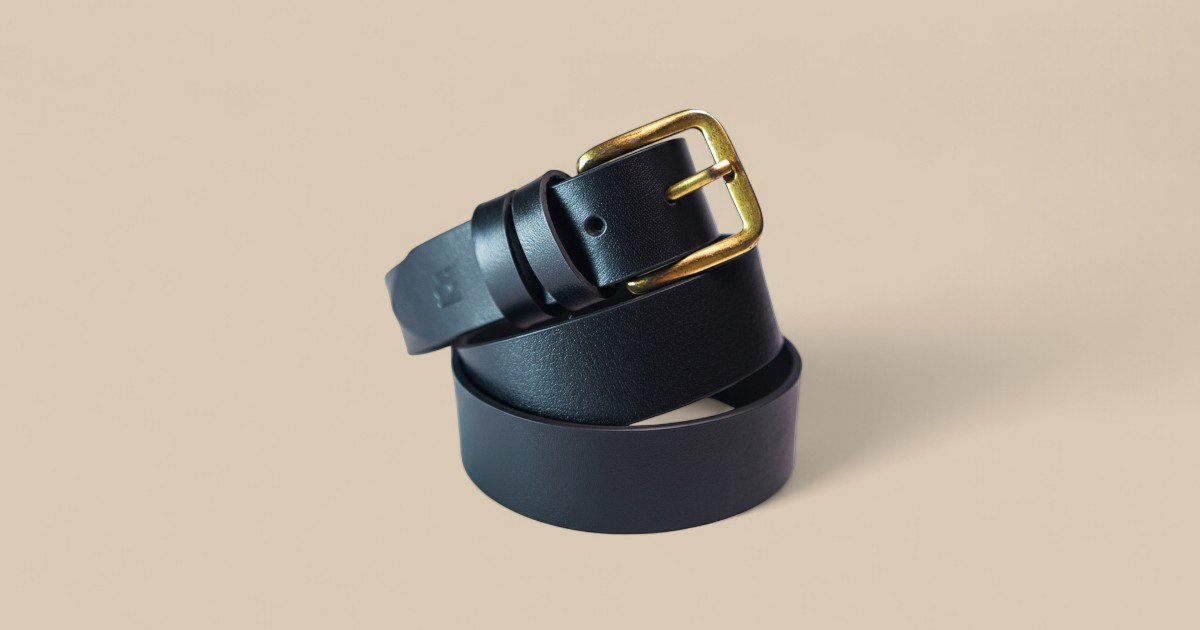
Belts are among the most common products made from cowhide leather.
A quality leather belt needs to withstand regular bending, friction, and tension. Cowhide can provide the structure and durability required for everyday use.
The final result depends on the leather grade, thickness, buckle attachment, stitching, and overall construction.
For people who prefer traditional accessories, handmade leather belts are worth considering. They often reflect careful material selection and attention to details such as edge finishing, cutting, and buckle assembly.
Wallets and Cardholders
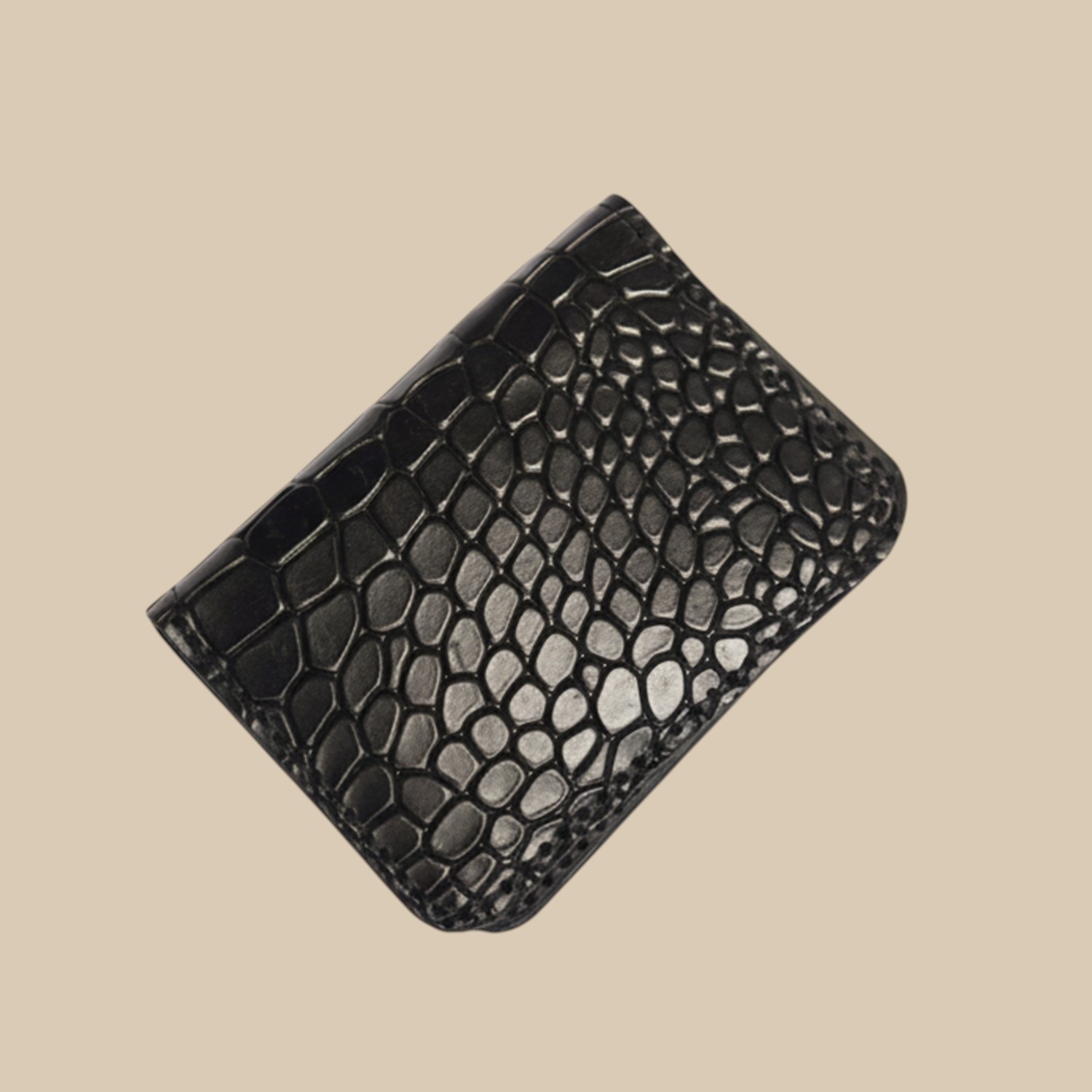
Cowhide is also widely used for wallets and cardholders. Its ability to hold its shape while remaining flexible makes it suitable for products that are handled frequently.
Full-grain and top-grain options are common choices, although the best material depends on the desired thickness, finish, and price range.
Bags and Travel Accessories
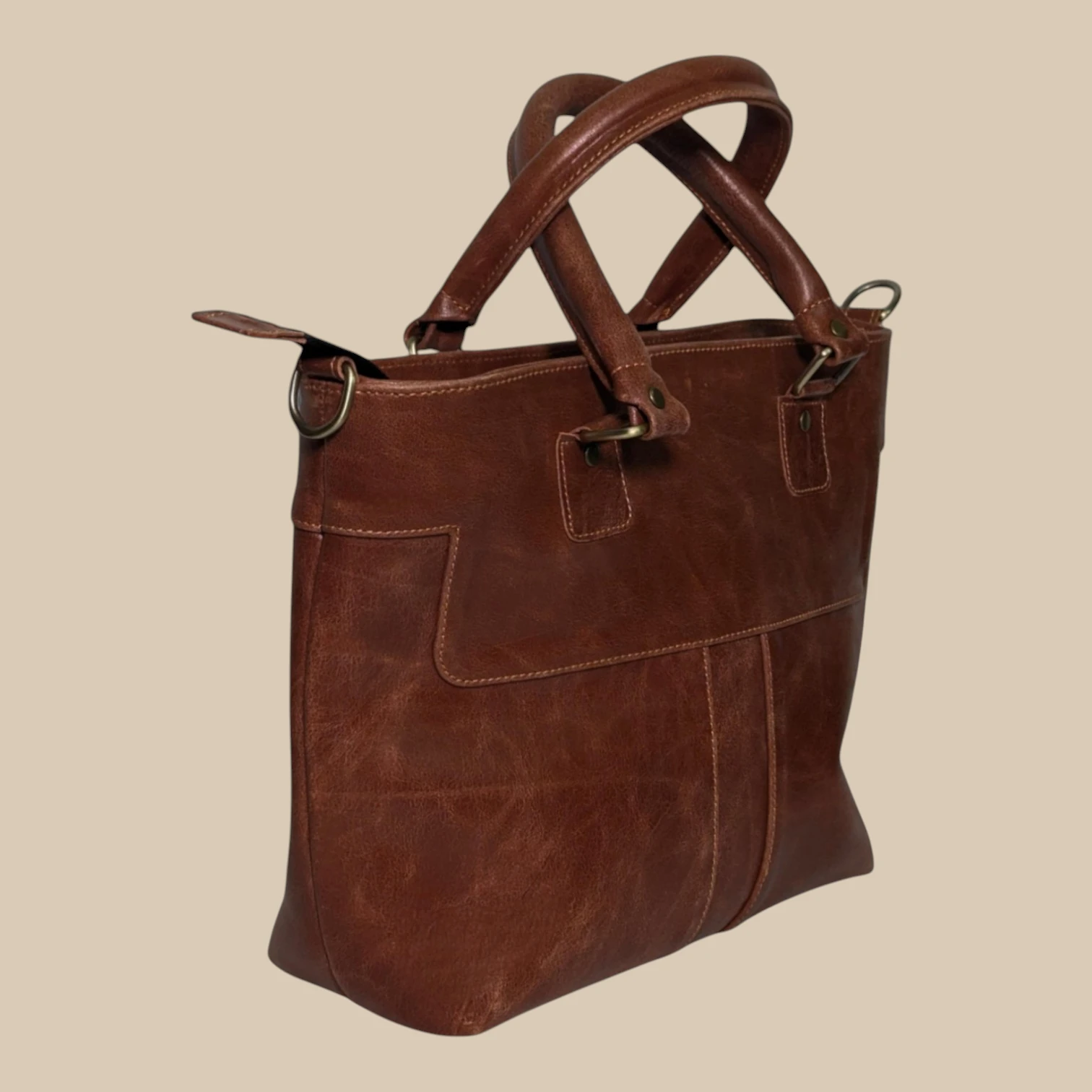
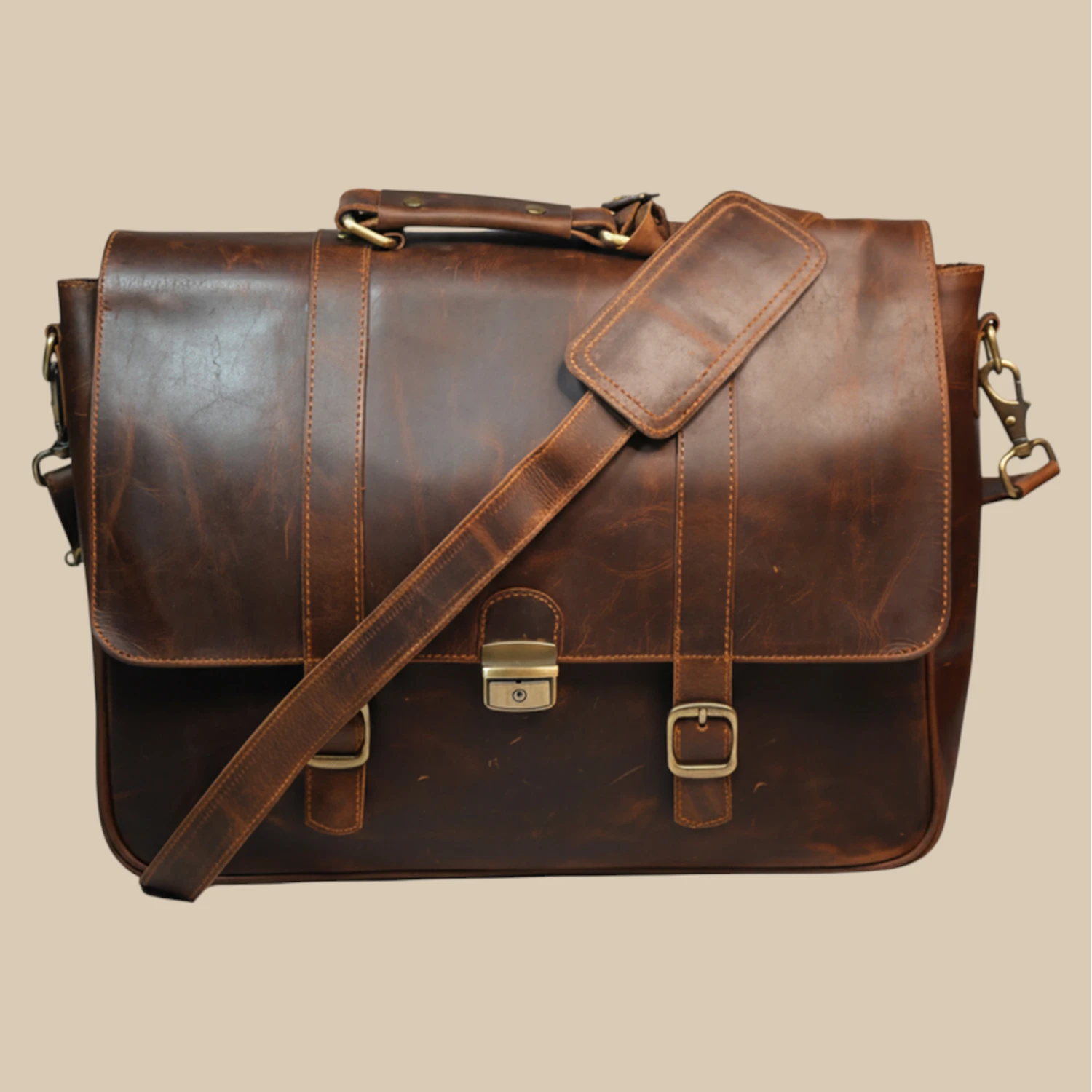
Backpacks, handbags, briefcases, and travel accessories often use cowhide leather. Its natural appearance gives these products a distinctive finish, while suitable leather grades provide the strength needed for daily handling.
Why Cowhide Leather Is a Popular Choice for Belts
A belt may seem like a simple accessory, but its construction involves more than cutting a strip of material and attaching a buckle. The leather must be suitable for repeated bending and daily use. It also needs to maintain its shape while providing a comfortable fit. This is where cowhide becomes a practical option.
The Importance of Leather Thickness
Leather thickness plays an important role in how a belt feels and performs. A belt made from leather that is too thin may stretch or lose its structure more quickly. On the other hand, excessively thick leather may feel stiff and uncomfortable.
The ideal thickness depends on the belt's intended use and design. A casual belt may have different requirements from a formal dress belt. Manufacturers must consider these differences when selecting materials.
Why Full-Grain Leather Is Worth Considering
Full-grain cowhide is often valued for belt production because it retains its natural grain structure. It offers a traditional leather appearance and can develop a unique patina over time.
A well-made full-grain belt can become a long-term wardrobe accessory, particularly when its thickness and construction are appropriate for regular use. However, top-grain leather can also be a good choice depending on the desired finish and budget.
The Value of Handmade Craftsmanship
Handmade leather belts can offer a level of attention to detail that buyers appreciate. The maker has an opportunity to focus on important construction elements, including accurate cutting, smooth edges, stitching, and buckle placement.
Good craftsmanship also involves selecting leather that suits the design instead of using the same material for every product.
When shopping for handmade leather belts, consider the following details:
- Leather grade: Look for clear information about whether the belt uses full-grain, top-grain, or another leather type.
- Thickness: The leather should have a suitable thickness for the belt's intended purpose.
- Edge finishing: Smooth, properly finished edges contribute to the overall appearance and feel.
- Stitching: If the belt is stitched, check whether the stitching is even and secure.
- Buckle construction: The buckle and attachment should be appropriate for regular use.
- Overall finish: Look for consistent cutting, clean workmanship, and a finish that suits your preferences.
At Sable and Stone, the material and construction of a leather accessory are important considerations for buyers looking for products that combine practical use with a classic appearance.
When choosing a leather belt, paying attention to these details can help you find an option that fits your everyday needs and personal style.
How to Identify Quality Cowhide Leather
Buying leather products can feel confusing when you are unfamiliar with the different grades and manufacturing methods. Fortunately, there are several details you can check before making a purchase.
1. Check the Product Description
Start by reading the manufacturer's product information. Look for specific details about the leather grade, material composition, tanning method, and construction. Descriptions such as full-grain cowhide provide more useful information than a general claim of genuine leather. If the product description is unclear, consider contacting the seller before purchasing.
2. Examine the Natural Grain
Natural leather may have small variations in its surface texture. These variations can include subtle wrinkles, pores, and natural markings. A perfectly uniform surface does not automatically mean a product is synthetic, since genuine leather can receive surface treatments. However, a highly artificial texture combined with vague product information may be worth investigating.
3. Feel the Material
Leather can vary in firmness and softness. Full-grain cowhide often has a more natural feel, although the exact texture depends on tanning and finishing. Avoid assuming that softer leather is always better. Some products need a firmer structure to perform properly. For example, a belt usually needs enough body to support its shape during regular use.
4. Inspect the Edges
The edges of a leather product can reveal useful information about its construction. Look for clean cutting, consistent finishing, and properly treated edges. On belts, poorly finished edges may affect both appearance and long-term wear.
5. Look at the Construction
Material quality is only one part of the equation. Examine the stitching, seams, buckle attachment, lining, and other construction details. A high-quality piece of leather cannot compensate for weak assembly. For accessories you plan to use regularly, careful construction should be a priority.
6. Ask About Care Instructions
Reliable manufacturers should be able to provide basic guidance on maintaining their leather products. The appropriate care routine depends on the leather type and finish. If a seller cannot explain how to clean or condition a product, you may want to look for more detailed product information before buying.
How to Care for Cowhide Leather
Proper maintenance can help cowhide leather retain its appearance and remain useful for years. You do not need an elaborate cleaning routine. Consistent, gentle care is usually enough for most everyday leather accessories.
Keep Leather Clean
Dust and surface dirt can build up over time. Use a soft, dry cloth to wipe down your leather belt, wallet, or bag. For light dirt, a slightly damp cloth may be suitable if the manufacturer's instructions allow it. Avoid using household cleaning products, strong detergents, or abrasive materials.
Avoid Excessive Moisture
Although some leather finishes offer limited water resistance, excessive moisture can still cause problems. If your leather product becomes wet, gently remove excess water with a clean cloth. Allow it to air-dry naturally. Do not use a hair dryer, heater, or direct sunlight to speed up the process.
Use a Suitable Leather Conditioner
Some types of leather benefit from occasional conditioning. A suitable conditioner can help maintain flexibility and reduce the risk of excessive dryness. However, not every leather finish requires the same treatment. Always test a care product on a small, hidden area first and follow the manufacturer's recommendations.
Store Leather Properly
Storage conditions also affect leather quality. Keep belts and other accessories in a cool, dry place away from direct sunlight. Avoid folding belts tightly or placing heavy objects on top of them for extended periods. For long-term storage, allow the leather to retain its natural shape and provide enough space for airflow.
Keep Leather Away From Excessive Heat
High temperatures can dry out natural leather and affect its structure. Avoid leaving leather accessories in hot vehicles, near heaters, or in direct sunlight for extended periods. A stable storage environment is generally better for maintaining their condition.
Cowhide Leather vs. Other Leather Types
Cowhide is not the only animal leather available. Other materials are also used in the production of accessories and specialty goods. Each has different characteristics.
Cowhide vs. Goatskin Leather
Goatskin leather is generally thinner and lighter than many types of cowhide. It is often valued for its flexibility and natural grain pattern. Cowhide, on the other hand, is commonly selected when greater thickness and structure are needed. For belts and products that require more support, cowhide is often a practical option.
Cowhide vs. Sheepskin Leather
Sheepskin is typically softer and lighter than cowhide. It is frequently used for garments, linings, gloves, and products where softness is a priority. Cowhide is generally more suitable for products that need a firmer structure, although the specific leather grade and treatment still matter.
Cowhide vs. Buffalo Leather
Buffalo leather is known for its distinctive grain and can be quite thick and durable. Cowhide is widely available and offers a broad range of textures, thicknesses, and finishes. Neither is automatically superior. The right choice depends on the product, intended use, and personal preference.
Is Cowhide Leather Worth Buying?
For many buyers, cowhide leather is worth considering because it offers a combination of natural material, versatility, and practical performance. It can be used to make products ranging from everyday wallets to accessories designed for frequent use.
However, the value of a leather product depends on more than the material name. A reasonably priced full-grain cowhide belt with careful construction may offer better long-term value than a poorly made product carrying a higher price tag.
Before buying, consider how frequently you will use the product, what kind of finish you prefer, and how much maintenance you are comfortable providing. If you want an accessory that can become part of your regular wardrobe, a well-made cowhide leather belt may be a sensible choice.
What Should You Look for When Buying a Cowhide Belt?
Start by identifying the type of leather used. Full-grain and top-grain cowhide are often worth comparing when durability and appearance matter. Then consider the belt's thickness, width, buckle, and construction.
Think about how you plan to wear it, too. A formal belt may need a cleaner and more refined finish, while a casual belt may suit a more textured appearance. The right product should match your everyday requirements rather than simply look attractive in a product photograph.
Frequently Asked Questions About Cowhide Leather
1. Is cowhide leather 100% real leather?
Yes. Cowhide leather is made from the natural hide of cattle and is considered real animal leather. However, the quality can vary depending on the leather grade and processing method. Full-grain, top-grain, and split cowhide all come from natural hides, but they have different structures and characteristics. Always check the product description to understand which type of leather a manufacturer uses.
2. Does cowhide leather last a long time?
High-quality cowhide leather can last for many years when it is properly manufactured and maintained. Full-grain cowhide is particularly valued for its natural strength and ability to develop a patina with regular use. However, lifespan depends on leather quality, thickness, construction, exposure to moisture, and maintenance. Regular cleaning, suitable conditioning, and proper storage can help keep leather products in good condition.
3. Is cowhide leather better than synthetic leather?
Cowhide and synthetic leather serve different purposes. Cowhide is a natural material that can develop character with age and is often preferred for traditional leather accessories. Synthetic leather may appeal to buyers looking for a lower-cost or non-animal alternative. The better option depends on your priorities, including budget, material preferences, expected use, and maintenance requirements.
4. Is cowhide leather good for leather belts?
Yes. Cowhide is a popular choice for handmade leather belts because it can provide the firmness, flexibility, and structure needed for regular use. Full-grain cowhide is often preferred for its natural grain and aging characteristics, although top-grain leather can also be suitable. When purchasing a handmade belt, pay attention to leather thickness, edge finishing, stitching, buckle attachment, and overall craftsmanship.
5. How can you tell if cowhide leather is high quality?
Start by checking the leather grade and product description. Full-grain cowhide generally retains its natural grain, while top-grain leather has a more corrected surface. Examine the texture, edges, stitching, and overall construction. Also consider whether the manufacturer provides clear material information and care instructions. No single visual test can reliably establish leather quality, so consider several factors together.
Final Thoughts
Understanding cowhide leather makes it easier to compare products and recognize what you are paying for. It is a natural material made from cattle hides, valued for its strength, versatility, and distinctive appearance.
However, not all cowhide leather is the same. Full-grain, top-grain, split, and bonded leather products can differ considerably in quality and performance. Knowing these differences helps you make more informed decisions when shopping for belts, wallets, bags, and other accessories.
If you are considering a leather belt, look beyond its appearance. The leather grade, thickness, construction, and finishing all affect how well it performs in everyday use.
At Sable and Stone, understanding the materials behind leather accessories is an important part of making informed buying decisions. Whether you are exploring your first cowhide belt or looking for a well-crafted addition to your collection, choosing the right leather can make a meaningful difference.
A good leather product should not only look appealing when you first purchase it. It should also suit your needs, feel comfortable to use, and maintain its character through regular wear.
Shop Handcrafted Leather Goods at Sable and Stone
All products in the Sable and Stone collection are crafted with care from genuine cowhide leather and ship free from West Yorkshire across the United Kingdom.
Free UK shipping on all orders. 15-day returns. Handcrafted leather goods shipped from West Yorkshire.