A leather belt may look impressive when it first comes out of its packaging, but its real quality becomes clear after months of regular use. Some materials soften, develop a natural character, and remain useful for years. Others may begin to peel, crack, or lose their original appearance. The difference often starts with the material used to make the product.
Cowhide and synthetic leather are two common choices for belts, wallets, bags, and other accessories. Both can offer an attractive finish, but they are made differently and have distinct characteristics. One comes from natural animal hide, while the other is manufactured using synthetic materials designed to look and feel like leather.
So, which one should you choose?
Understanding cowhide vs synthetic leather can help you make a better buying decision. Factors such as durability, flexibility, appearance, maintenance, cost, and personal preferences all play a role. Whether you are shopping for an everyday belt or exploring handmade leather items, knowing how these materials compare can help you find a product that suits your needs.
This guide explains what cowhide leather is, how synthetic leather is made, and what separates the two materials. It also covers their advantages, limitations, common uses, and the details worth checking before purchasing a leather accessory.
What Is Cowhide Leather?
Cowhide leather is natural leather made from the hide of cattle. It is processed through tanning and finishing to create a material suitable for products such as belts, wallets, and bags.
The material contains a natural network of collagen fibers. These fibers give cowhide much of its strength, flexibility, and ability to withstand everyday use.
One of the main reasons manufacturers choose cowhide is its versatility. It can be processed into different thicknesses, textures, and finishes depending on the intended product.
For example, a thick piece of cowhide may be suitable for a belt that needs to maintain its shape. Softer leather may be used for bags or accessories that require greater flexibility.
Common Types of Cowhide Leather
Cowhide is available in several grades, and each has different characteristics.
- Full-grain leather: This type retains the natural grain surface of the hide. It is valued for its natural appearance, strength, and ability to develop a patina over time.
- Top-grain leather: Its surface is usually sanded or corrected to create a more uniform appearance. It can offer a smooth finish and is commonly used in bags, furniture, and accessories.
- Genuine leather: This is a broad commercial term for products made from real animal hide. It does not automatically indicate a particular quality level.
- Split leather: This comes from the lower layers of the hide after the upper grain portion is separated. It may be finished or coated for different applications.
The grade of cowhide matters because it affects how a finished product looks, feels, and performs.
What Is Synthetic Leather?
Synthetic leather is a manufactured material designed to resemble natural leather. It is also known as artificial leather, faux leather, or imitation leather.
Unlike cowhide, synthetic leather does not use natural animal hide as its main structural material. Instead, it is commonly produced using a fabric base covered with a plastic-based coating.
Two common materials used in synthetic leather production are polyurethane (PU) and polyvinyl chloride (PVC).
The final material can be designed to imitate the grain, color, and texture of natural leather. Manufacturers can also produce it in a wide range of colors and finishes.
Synthetic leather is used in clothing, furniture, footwear, handbags, vehicle interiors, and fashion accessories.
How Is Synthetic Leather Made?
The manufacturing process varies depending on the type of synthetic material.
Generally, it involves applying a synthetic coating to a fabric backing. The surface is then processed to create a leather-like texture and appearance.
Polyurethane (PU) Leather
PU leather uses a polyurethane coating over a fabric base.
It is often softer and more flexible than PVC leather. Its surface can be designed to resemble different types of natural leather.
PU is commonly used in handbags, and other accessories.
Polyvinyl Chloride (PVC) Leather
PVC leather uses a polyvinyl chloride coating to create a leather-like surface.
It is generally valued for its resistance to certain stains and its ease of cleaning. However, its feel and flexibility can differ from PU leather.
PVC is commonly used in upholstery, vehicle interiors, and other applications where a coated surface is useful.
Cowhide vs Synthetic Leather: What Are the Main Differences?
The biggest difference between these materials is their source and composition.
Cowhide is made from natural animal hide, while synthetic leather is manufactured using materials such as polyurethane or PVC.
However, their differences go beyond how they are produced. They also affect durability, texture, flexibility, aging, maintenance, and overall value.
Here is a quick comparison:
| Feature |
Cowhide Leather |
Synthetic Leather |
| Material source |
Natural cattle hide |
Manufactured materials |
| Main composition |
Natural animal fibers |
Usually fabric and plastic-based coatings |
| Appearance |
Natural grain variations |
Manufactured leather-like texture |
| Durability |
Depends on leather grade and construction |
Depends on synthetic coating and backing |
| Aging |
May develop a natural patina |
Usually does not develop natural patina |
| Flexibility |
Varies by thickness and treatment |
Varies by coating and backing |
| Maintenance |
Needs suitable leather care |
Usually easy to wipe clean |
| Water resistance |
Not naturally waterproof |
Some types offer better surface water resistance |
| Price |
Often higher for quality grades |
Often more affordable |
| Animal-derived material |
Yes |
Generally no animal hide in the main material |
Neither material is suitable for every buyer. The right option depends on how you plan to use the product and which features matter most.
1. Material and Manufacturing Process
The first major difference between cowhide and synthetic leather is how they are made.
Cowhide begins as a natural animal hide. It goes through preparation, tanning, dyeing, and finishing before becoming usable leather.
The tanning process stabilizes the hide and helps preserve its natural fiber structure. Different tanning methods can create different levels of firmness, softness, and flexibility. Synthetic leather follows a different process. Manufacturers use a fabric backing and apply a plastic-based coating to create a leather-like surface.
This allows manufacturers to control the appearance, texture, and color of the finished material.
The difference in production affects the final product. Cowhide retains natural variations from the original hide, while synthetic leather generally has a more controlled and consistent appearance.
For buyers, this means that two cowhide products may look slightly different, even when they are made from the same leather grade. Synthetic products, on the other hand, often have a more uniform surface.
2. Durability: Which Material Lasts Longer?
Durability is one of the most important considerations when comparing cowhide vs. synthetic leather.
A product may look attractive when new, but its ability to handle regular use determines much of its long-term value.
High-quality cowhide can be very durable. Its natural fiber structure provides strength, making it suitable for products that experience regular movement, bending, and friction.
Full-grain cowhide is particularly valued for its ability to retain its structure and develop character with age. Synthetic leather can also provide good performance, but its durability depends heavily on the quality of the coating and fabric backing.
Over time, some synthetic products may experience surface cracking, peeling, or separation between the coating and backing. The likelihood of these problems depends on the material, manufacturing quality, and conditions of use.
Is Synthetic Leather Durable?
Yes, synthetic leather can be durable enough for many everyday applications. However, not all synthetic leather products offer the same level of performance.
A well-made PU product may hold up well under normal use, while a lower-quality version may begin showing signs of wear much sooner.
PVC products also vary in quality and flexibility. When evaluating synthetic leather, consider the thickness of the coating, the quality of the backing, and the intended application.
For products that experience frequent bending and tension, such as belts, these details are especially important.
Why Cowhide Can Be a Better Choice for Long-Term Use
Quality cowhide is often preferred for products that need to handle repeated use over many years. It can soften naturally, develop a patina, and maintain its usefulness when properly cared for.
However, leather quality matters. A poorly made cowhide product may not outperform a well-made synthetic alternative in every situation.
The best comparison considers the complete product rather than the material name alone.
3. Appearance and Natural Texture
Cowhide and synthetic leather can both look attractive, but their surface characteristics are different.
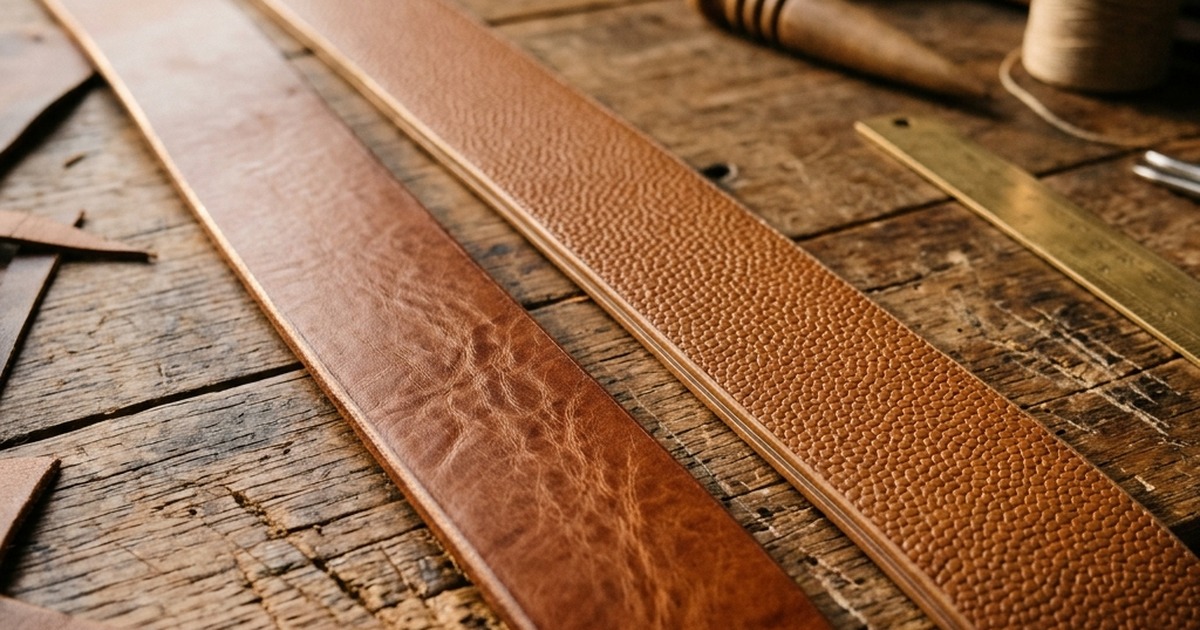
Natural cowhide often has small variations in grain, texture, and color. These differences come from the original hide and the finishing process. Some buyers appreciate these details because they give each leather product an individual appearance.
Synthetic leather is designed to create a consistent finish. Manufacturers can reproduce similar grain patterns, colors, and textures across large production runs.
This consistency may appeal to people who prefer a uniform appearance.
Does Cowhide Develop a Patina?
Yes, certain types of cowhide leather can develop a patina over time.
A patina is the gradual change in the surface appearance of leather caused by handling, light exposure, natural oils, and everyday use.
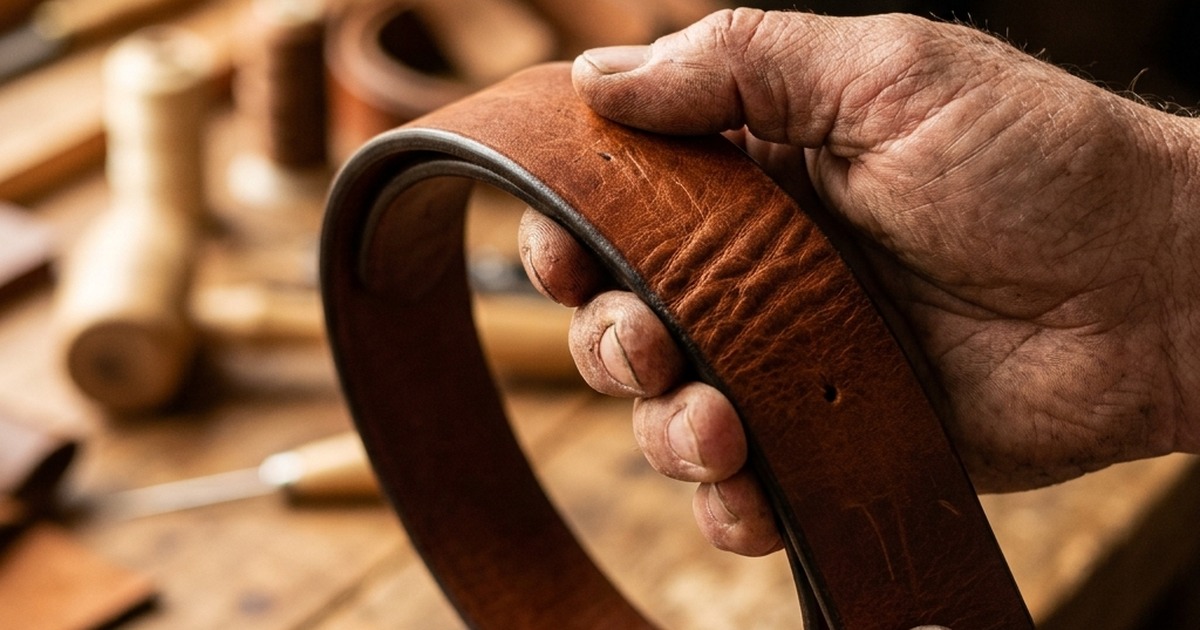
For example, a full-grain leather belt may become slightly darker in areas that experience regular contact. This aging process is one reason natural leather products appeal to many buyers.
Synthetic leather generally does not develop the same natural patina. Instead, its surface may retain its original appearance until the coating begins to show signs of wear.
4. Comfort and Flexibility
Comfort matters when choosing accessories that you use regularly.
Cowhide can be processed to achieve different levels of softness and firmness. Some varieties are thick and structured, while others are more flexible.
A leather belt, for example, needs enough firmness to hold its shape while remaining comfortable around the waist.
Synthetic leather also comes in different levels of flexibility.
PU leather is often soft and flexible, making it suitable for bags, and other accessories. PVC leather can feel firmer, depending on its formulation and construction.
The best option depends on the product.
For a belt, material thickness and structural support may matter more than softness alone. For a handbag, flexibility and surface texture may be higher priorities.
5. Water Resistance and Maintenance
Cowhide and synthetic leather have different maintenance requirements.
Natural leather is not automatically waterproof. Although some finishes offer limited water resistance, excessive moisture can affect its surface and structure.
Cowhide may need occasional cleaning and conditioning, depending on its finish and usage. Synthetic leather is generally easier to clean because its surface has a manufactured coating. Many products can be wiped with a soft, slightly damp cloth.
However, synthetic leather is not immune to damage. Harsh cleaners, excessive heat, and prolonged exposure to sunlight can affect the coating.
How to Care for Cowhide Leather
A few basic habits can help maintain natural leather products:
- Wipe away dust and surface dirt with a soft cloth.
- Avoid soaking leather in water.
- Allow wet leather to dry naturally.
- Use a suitable leather conditioner when recommended.
- Keep leather away from excessive heat and direct sunlight.
- Store accessories in a cool, dry place.
How to Care for Synthetic Leather
Synthetic leather generally requires less maintenance.
Use a soft cloth to remove dirt and follow the manufacturer's cleaning instructions. Avoid abrasive brushes and strong cleaning chemicals, as they may damage the coating.
Do not expose synthetic leather products to excessive heat for extended periods.
6. Cost and Long-Term Value
Price is another important difference between these materials.
Synthetic leather products are often more affordable because their manufacturing process can be more standardized and does not require natural animal hides.
This makes synthetic leather attractive to buyers looking for lower-cost accessories.
Cowhide leather products can have a higher initial price, especially when they use full-grain leather and careful craftsmanship. However, the purchase price is only one part of overall value.
A well-made cowhide product may remain useful for years, while an inexpensive synthetic product may need replacement sooner.
That said, not every cowhide product offers better value. Poor construction, unsuitable leather, and improper care can reduce its lifespan. When comparing prices, consider material quality, construction, expected use, and maintenance requirements together.
7. Environmental and Ethical Considerations
Environmental impact is another factor buyers may want to consider.
Cowhide leather is an animal-derived material. Hides are often sourced as by-products of the meat industry, although sourcing practices and supply chains vary. Leather production also requires tanning and finishing processes, which can involve chemicals, water, and energy.
The environmental impact depends on the tanning method, chemical management, water treatment, sourcing, and manufacturing standards. Synthetic leather avoids the use of animal hide in its main material. This may appeal to people looking for non-animal alternatives.
However, many synthetic leathers use plastic-based materials such as PU and PVC. Their production and disposal raise environmental concerns, including fossil-fuel use and plastic waste.
Some newer synthetic materials use recycled or alternative feedstocks, but their environmental performance depends on the complete manufacturing process.
There is no simple rule that one material is always more sustainable than the other. Buyers should consider sourcing, production methods, product lifespan, and disposal.
Cowhide vs Synthetic Leather for Belts
Belts are among the accessories where material selection makes a noticeable difference.
A belt experiences repeated tension, bending, and contact with clothing. It needs enough structure to hold its shape while remaining comfortable during everyday movement.
Cowhide is a popular option for leather belts because it can provide a combination of firmness, flexibility, and durability.
Synthetic leather belts can also be suitable for occasional use or for buyers who prefer a lower-cost alternative.
However, the performance of both materials depends on their quality and construction.
Why Choose Cowhide for Everyday Belts?
A well-made cowhide belt can provide several useful qualities.
It has a natural structure that supports regular use, and certain grades can develop an attractive patina as they age. Full-grain cowhide is often considered a desirable option for buyers who prefer traditional leather accessories.
The thickness should match the belt's intended purpose. A formal belt may require a different structure from a casual or work belt.
What to Check Before Buying a Leather Belt
Before purchasing a belt, examine more than its appearance.
Look for clear information about the leather grade, thickness, buckle attachment, and construction.
Pay attention to the edges and stitching. These details contribute to the overall finish and may affect how well the belt handles regular use.
If you are considering handmade leather items, also look for evidence of careful cutting, consistent finishing, and suitable material selection.
A quality belt should feel comfortable, fit properly, and suit the way you plan to wear it.
Cowhide vs Synthetic Leather for Handmade Leather Items
Handmade leather items often attract buyers who appreciate material quality and traditional craftsmanship. Products such as belts, wallets, cardholders, and bags require careful material selection. The leather must suit the design, thickness, and intended use.
Cowhide is commonly used in handmade leather goods because it offers several grades and finishes that makers can select for different applications.
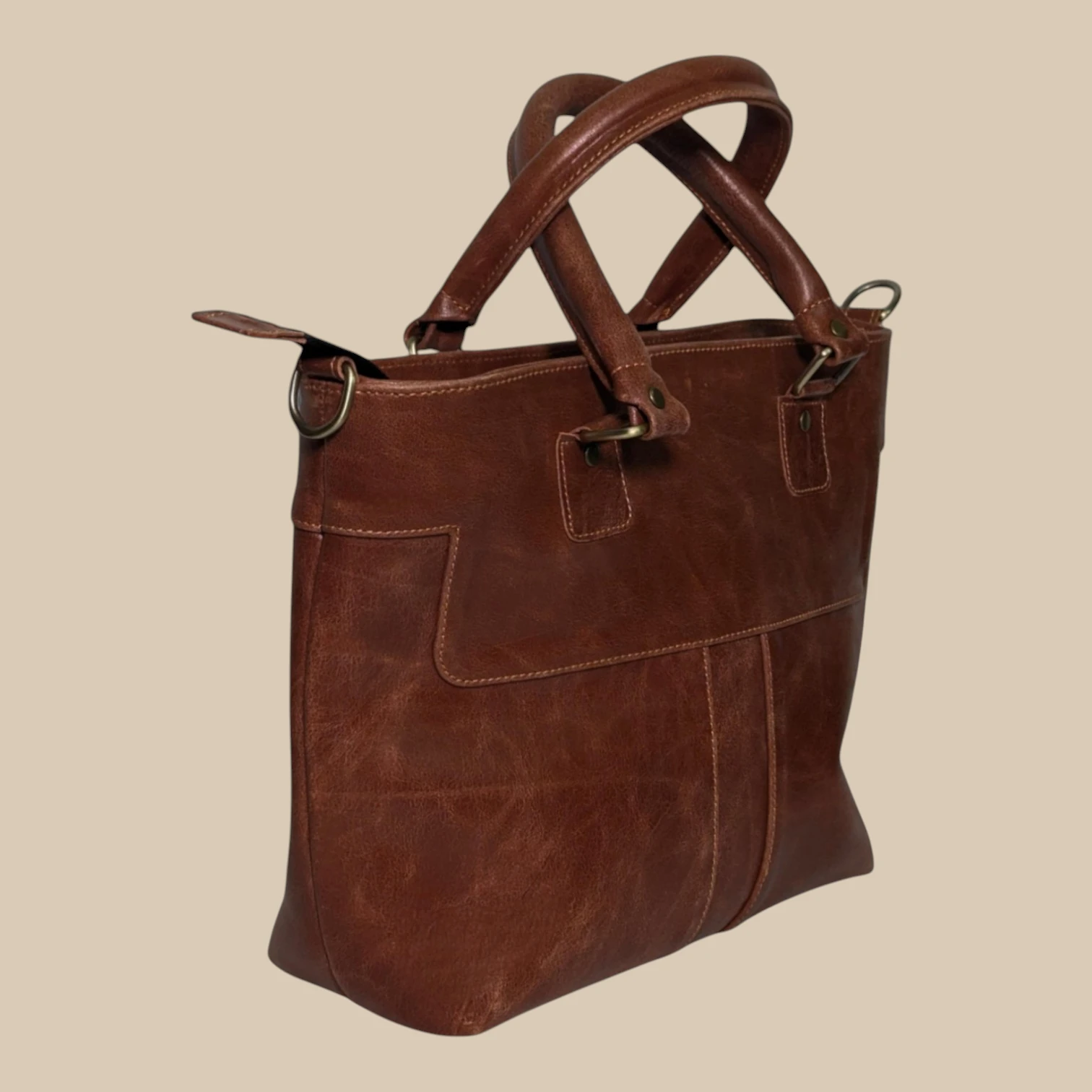
For example, full-grain cowhide may be used for a structured belt, while softer leather may be more suitable for a wallet or bag. Synthetic leather can also be used in handmade products. It offers consistent textures, a wide range of colors, and a non-animal alternative.
However, working with synthetic material requires different handling and finishing techniques.
The Importance of Craftsmanship
The quality of a handmade product depends on more than its raw material.
Cutting, stitching, edge finishing, assembly, and hardware selection all affect the final result. Even high-quality cowhide can produce a disappointing accessory if the construction is poor.
Likewise, a well-made synthetic product may perform better than a poorly assembled natural leather alternative. At Sable and Stone, understanding these material differences helps buyers make informed choices when exploring leather accessories.
When comparing handmade leather items, look at the complete product. The material, design, and craftsmanship should all work together.
How to Identify Cowhide and Synthetic Leather
If you are shopping for leather products, it is useful to know how to identify the material.
Some synthetic products look very similar to natural leather, so appearance alone is not always enough.
1. Read the Material Label
Start with the product description.
Look for terms such as:
- Full-grain cowhide leather
- Top-grain leather
- Genuine leather
- PU leather
- PVC leather
- Faux leather
- Artificial leather
A clear material description is more useful than a general claim that a product has a leather finish.
2. Examine the Surface
Natural cowhide may have small variations in its grain and texture. Synthetic leather often has a more uniform manufactured pattern.
However, some natural leather receives extensive finishing, while synthetic products can be made with detailed grain patterns. Surface appearance should therefore be considered alongside other information.
3. Inspect the Edges
If the product design allows you to see an unfinished edge, it may provide clues about the material.
Natural leather often shows a fibrous structure through its cross-section. Synthetic leather may show distinct layers, such as a surface coating and fabric backing.
However, finished edges and layered leather products can make visual identification difficult.
4. Check the Manufacturer's Specifications
The most reliable approach is to check the manufacturer's material information.
Look for details about the leather grade, source, and construction. If the description is unclear, ask the seller directly.
Avoid relying on burn tests or harsh chemical tests to identify leather. These methods can damage products and may create safety risks.
Which Is Better: Cowhide or Synthetic Leather?
There is no single answer because both materials serve different purposes.
Cowhide may be the better choice for buyers who value natural material, traditional leather craftsmanship, and products that can develop character with use.
Synthetic leather may suit people looking for a more affordable, non-animal alternative with a consistent appearance and relatively simple surface maintenance.
Here is a simple way to think about the decision:
Choose cowhide leather if:
- You prefer natural animal leather.
- You appreciate natural grain variations.
- You want an accessory that may develop a patina.
- You value traditional leather craftsmanship.
- You are willing to provide basic leather care.
Consider synthetic leather if:
- You prefer a non-animal material.
- You want a lower initial purchase price.
- You like consistent colors and textures.
- You prefer simple surface cleaning.
- You are comfortable with the material's expected lifespan.
The best purchase is the one that matches your needs, budget, and material preferences.
Frequently Asked Questions
1. What is the main difference between cowhide and synthetic leather?
The main difference is their material source. Cowhide is made from natural cattle hide that has been processed through tanning and finishing. Synthetic leather is manufactured using materials such as polyurethane or PVC, usually applied over a fabric backing. Cowhide has natural grain variations and can develop a patina, while synthetic leather generally offers a more uniform appearance.
2. Is synthetic leather durable?
Synthetic leather can be durable enough for many everyday products, but its lifespan depends on the quality of the coating and backing. High-quality PU and PVC materials can perform well under suitable conditions. However, some synthetic products may peel, crack, or lose their surface coating with repeated use. Product construction, maintenance, and exposure to heat also affect durability.
3. Is synthetic leather the same as artificial leather?
Yes. Synthetic leather and artificial leather are commonly used terms for manufactured materials designed to imitate natural leather. Other names include faux leather and imitation leather. These products generally use a fabric base with a synthetic coating, often made from polyurethane or PVC. They are different from genuine animal leather, although their appearance can be very similar.
4. Is cowhide better than synthetic leather for belts?
Cowhide is often preferred for everyday leather belts because it can provide natural strength, structure, and flexibility. Full-grain cowhide is especially popular among buyers who appreciate traditional leather goods. Synthetic leather belts may be more affordable and suitable for occasional use. The better option depends on material quality, construction, intended use, budget, and personal preferences.
5. Does synthetic leather peel over time?
Some synthetic leather products can peel over time, particularly when the surface coating begins separating from the fabric backing. Repeated bending, friction, heat, moisture, and poor material quality can contribute to this problem. Not every synthetic leather product will peel at the same rate, but the quality of the coating and manufacturing process plays an important role.
Final Thoughts: Choosing the Right Material for Your Needs
Understanding cowhide vs synthetic leather can make shopping for leather accessories much easier. Although both materials can create attractive products, their composition, durability, appearance, and maintenance requirements are different.
Cowhide offers natural grain, traditional craftsmanship, and the ability to develop character over time. Synthetic leather provides a manufactured alternative with consistent finishes, a lower initial price in many cases, and simpler surface cleaning.
Your decision should depend on what matters most to you. Consider how often you will use the product, how much maintenance you are comfortable with, and which material best fits your preferences.
If you are exploring handmade leather items or looking for a quality everyday accessory, pay attention to the material grade and construction rather than relying on appearance alone.
At Sable and Stone, understanding the differences between leather materials is an important part of making informed purchasing decisions. A good accessory should suit your everyday needs, reflect careful craftsmanship, and provide the qualities you expect from the material.
Shop Handcrafted Leather Goods at Sable and Stone
All products in the Sable and Stone collection are crafted with care from genuine cowhide leather and ship free from West Yorkshire across the United Kingdom.
Free UK shipping on all orders. 15-day returns. Handcrafted leather goods shipped from West Yorkshire.