A belt may look like a simple accessory, but each part has a specific purpose. The buckle keeps it fastened, the strap provides the fit, and smaller details help the belt stay secure and hold its shape. Knowing the parts of a belt makes it easier to understand how belts are made, how they work, and what to look for when buying one.
Whether you are shopping for everyday wear, comparing genuine leather belts, or learning more about belt construction, knowing the correct names of each component can help you make a better choice. It can also help you spot differences in quality, design, and durability.
Why Is It Important to Know the Parts of a Belt?
Understanding belt construction is useful for more than identifying individual components. It helps you compare different styles, recognize quality materials, and choose a belt that suits your needs.
For example, two belts may look almost identical at first glance. However, one may have a solid metal buckle, a well-finished leather strap, and strong stitching. The other may use a thin strap, weak fasteners, and low-quality hardware. Knowing the belt parts' names makes these differences easier to notice.
It is also helpful when you need a repair or replacement. If the buckle becomes damaged, you may only need to replace that component instead of buying a new belt. If the strap develops cracks or the holes become loose, you can identify the issue more clearly.
For anyone interested in genuine leather belts, understanding the different parts can also help when assessing craftsmanship. The quality of a belt depends on the material, construction, hardware, and finishing.
What Are the Main Parts of a Belt?
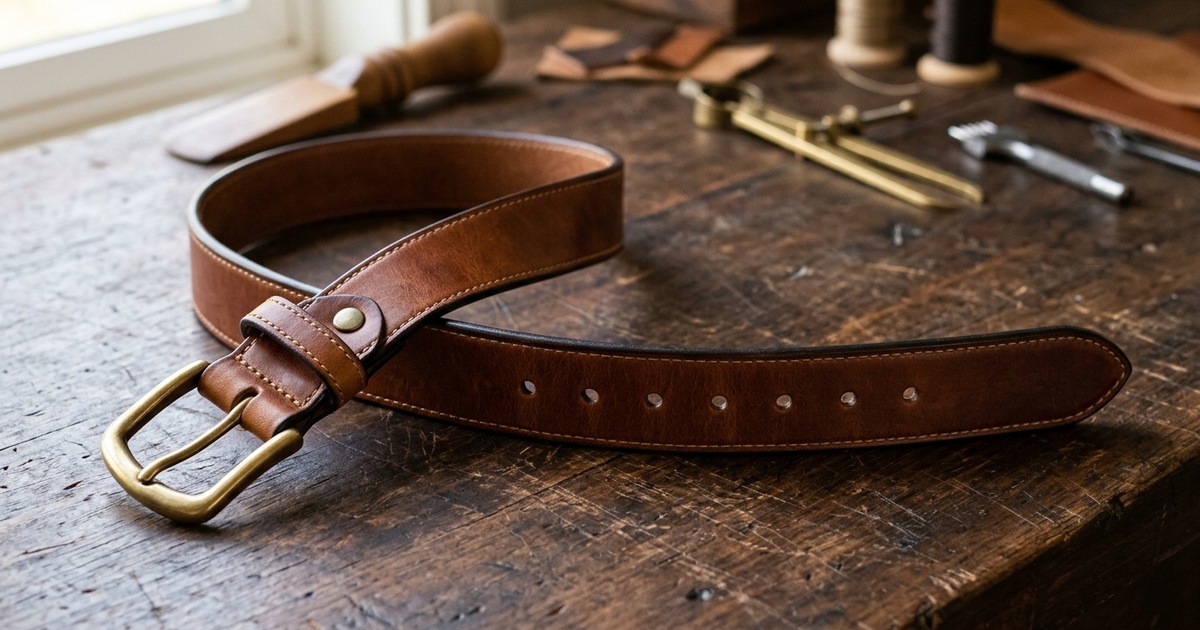
Most traditional belts share a similar basic design. They have a long strap, a buckle, and several smaller components that help hold everything in place.
Some designs include extra details, such as decorative stitching, a removable buckle, or a special fastening system. The exact construction depends on the belt's purpose and style.
Here are the main parts of a belt and what each one does.
1. Belt Strap
The belt strap is the long, flexible section that wraps around the waist. It is the main body of the belt and usually determines its material, color, width, and overall appearance.
Leather, synthetic leather, fabric, and woven materials are common choices for belt straps. Leather straps are often selected for their appearance, feel, and ability to develop character with use.
The strap has two main ends. One connects to the buckle, while the other passes through the buckle and around the waist.
A well-made strap should feel firm but flexible. It should also hold its shape during normal use. A strap that is too thin may lose its form, while one that is too stiff may feel uncomfortable.
Common Types of Belt Straps
Belt straps come in several styles:
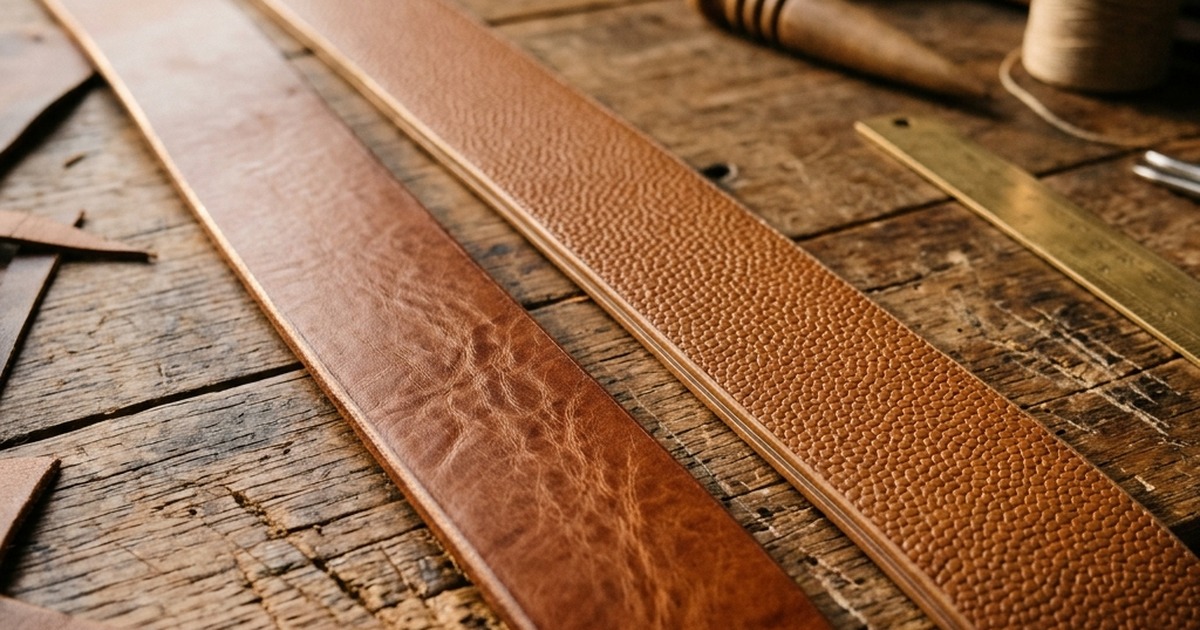
- Flat strap: A simple, smooth design used in many casual and formal belts.
- Stitched strap: Features visible stitching along one or both edges.
- Braided strap: Made from woven or braided material, often with flexible sizing.
- Reversible strap: Designed to be worn on either side, often with two colors.
- Embossed strap: Has a surface pattern pressed into the material.
The strap is one of the first features to examine when choosing a belt. Its width should also match the belt loops on your trousers.
2. Belt Buckle
The buckle is the metal or other fastening component at the front of the belt. It holds the strap in place and allows the wearer to adjust the fit.
A buckle is often the most visible part of a belt. Its shape, finish, and size can influence the overall look of the accessory.
Most traditional buckles have a frame and a fastening mechanism. The strap passes through the buckle, and the fastening mechanism keeps it from slipping loose.
Common Types of Belt Buckles
Frame buckle: This is one of the most common designs. It has a frame with a pin that passes through a hole in the strap.
Plate buckle: A flat decorative plate covers part of the belt's front. Some designs use a hook or another fastening method.
Box-frame buckle: This style uses a box-shaped mechanism to secure the strap. It is often found on belts with a ratchet-style fastening system.
Automatic or ratchet buckle: Instead of using traditional holes, this buckle works with a track or teeth on the strap. It allows the wearer to make smaller fit adjustments.
Reversible buckle: This buckle can rotate or detach so the belt can be worn on either side.
When choosing a buckle, consider its strength, finish, and compatibility with the strap. A buckle should fasten securely and move without unnecessary resistance.
3. Buckle Frame
The buckle frame is the outer structure of a traditional buckle. It creates the opening through which the belt strap passes.
Frames come in different shapes, including rectangular, square, oval, and rounded designs. Their size and shape affect both the appearance and function of the buckle.
The frame also supports the fastening pin. It should be strong enough to handle regular use without bending or losing its shape.
On formal belts, buckle frames are often simple and understated. Casual belts may use larger or more decorative frames.
4. Buckle Prong or Tongue
The prong, also called the tongue, is the small metal pin attached to the buckle. It passes through one of the holes in the belt strap to secure the belt.
This is one of the most important belt part names to know because the prong controls how a traditional belt fastens.
The prong should fit comfortably through the holes. It should also remain attached to the buckle and sit securely when the belt is fastened.
If the prong becomes bent or loose, the belt may not stay closed properly. A damaged prong may sometimes be repaired or replaced, depending on the buckle design.
5. Belt Holes
Belt holes are the small openings along the strap. They allow the wearer to adjust the belt's fit by placing the buckle prong through the preferred hole.
Most traditional belts have several holes arranged in a straight line near the end of the strap. Their spacing is usually consistent, which makes it easier to adjust the fit.
The number and placement of holes can vary. Some belts have five holes, while others have more or fewer.
Well-finished holes should have smooth edges. Rough or poorly made holes may become stretched or damaged with repeated use.
Some modern belts do not use traditional holes. Ratchet belts, for example, use a track system that allows smaller adjustments.
6. Belt Loop or Keeper Loop
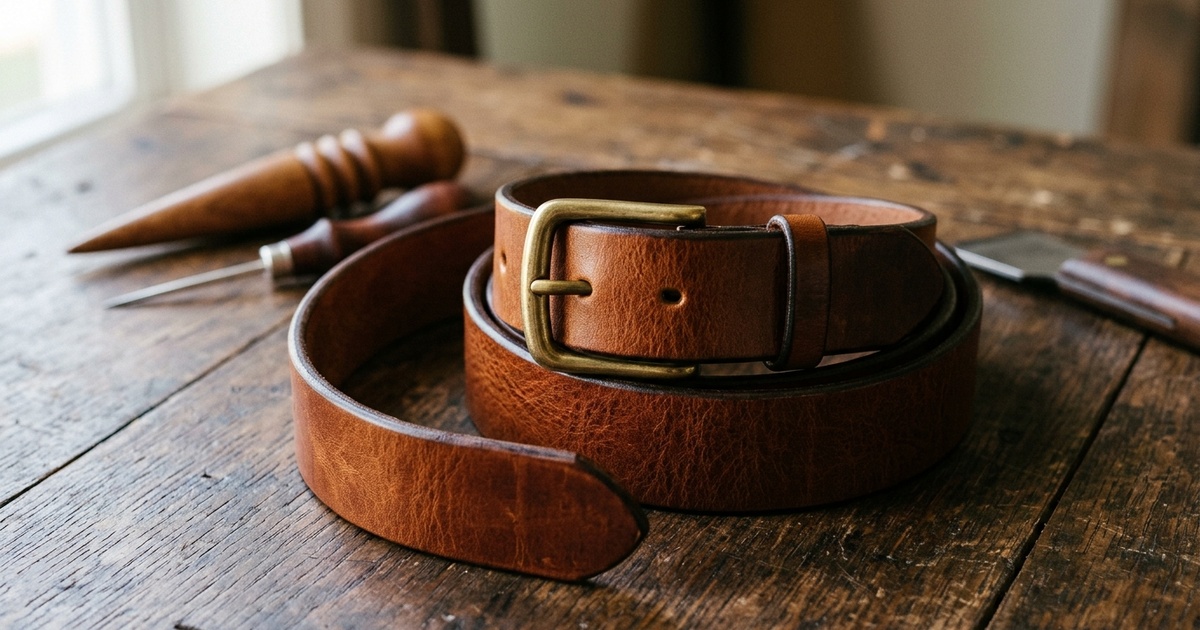
The belt loop, commonly called the keeper loop, is a small band that holds the loose end of the strap after the belt has been fastened.
Without this component, the extra length of the strap could hang freely. The keeper loop keeps it close to the belt and gives the finished look a cleaner appearance.
Many traditional leather belts have one fixed keeper loop near the buckle. Some designs include a second movable loop that can slide along the strap.
Fixed Keeper Loop vs. Movable Keeper Loop
A fixed keeper loop is attached near the buckle and stays in one position. It is often stitched or secured as part of the buckle assembly.
A movable keeper loop can slide along the strap. It gives the wearer more freedom to position the loose end.
Both types serve the same basic purpose: keeping the strap's free end neat and secure.
7. Buckle Bar
The buckle bar is the part of the buckle that supports the prong. It runs across the buckle frame and allows the prong to pivot.
When you fasten a traditional belt, the prong moves around the bar and passes through a strap hole. This movement makes it possible to open and close the belt.
The buckle bar must be strong and properly attached to the frame. If it bends or breaks, the buckle may no longer hold the belt securely.
On some buckle designs, the bar is also part of the structure that connects the buckle to the strap.
8. Buckle Attachment or Fold-Over End
The buckle attachment is the section where the belt strap connects to the buckle. On many traditional belts, the strap folds around a bar or buckle component and is secured in place.
This section may be held together with stitching, a screw, a rivet, or another fastening method.
Its construction matters because the buckle experiences regular pulling and movement during use. A weak attachment can cause the strap to separate from the buckle.
Some belts have removable buckles. These designs allow the wearer to change the buckle without replacing the entire strap.
9. Belt Tip
The belt tip is the finished end of the strap that passes through the buckle and keeper loop. It is also called the strap tip.
The tip may have a rounded, pointed, square, or angled shape. Its design can change the belt's appearance, but it also helps the strap move through the loops more easily.
A well-finished tip should have smooth edges and a clean shape. On leather belts, the edges may be painted, burnished, or otherwise treated to reduce fraying and improve the finish.
Some belts have a small metal cap at the tip. This is often called a tip end or end cap. It adds decoration and can protect the end of the strap.
10. Belt Stitching
Belt stitching refers to the thread used to join or reinforce parts of the belt. It may appear along the edges of the strap, around the buckle attachment, or near decorative sections.
Stitching has both a practical and visual role. It can help hold layers together and add detail to the belt's design.
Not every belt has visible stitching. Some leather belts use a clean, plain finish, while others feature contrasting thread for a more noticeable look.
When checking stitching quality, look for even spacing and secure thread. Loose or uneven stitching may indicate weak construction.
11. Belt Edges
The belt edges are the long sides of the strap. They may be left natural, painted, sealed, folded, or burnished, depending on the material and manufacturing method.
Edge finishing is an important detail on leather belts. Smooth, properly treated edges give the strap a neat appearance and help protect it from everyday wear.
Poorly finished edges may look rough or become worn more quickly. On some belts, the edges may also reveal how the strap was constructed.
12. Belt Lining
A belt lining is an inner layer added to some belts. It may be made from leather, fabric, or another material.
Not all belts have a separate lining. Some use a single layer of material, while others have multiple layers joined together.
A lined belt may have a different feel and structure from a single-layer belt. The lining can also affect flexibility, thickness, and appearance.
When buying a leather belt, check whether it is made from one piece of leather or several bonded layers. These construction methods can affect how the belt wears over time.
Parts of a Belt Diagram: How the Components Fit Together
A parts of a belt diagram can make the construction easier to understand. It shows where each component sits and how the parts work together when the belt is fastened.
Think of a traditional belt from left to right:
- The buckle frame forms the front fastening structure.
- The buckle bar supports the prong.
- The prong passes through a selected hole in the strap.
- The strap wraps around the waist.
- The keeper loop holds the loose end in place.
- The belt tip finishes the free end.
The buckle attachment connects the strap to the buckle. Stitching or other fasteners may secure this connection.
Each part has a separate role, but the components must work together. A strong strap will not be useful if the buckle cannot hold it in place. In the same way, a well-made buckle cannot make up for a weak strap or poor attachment.
What Are the Different Parts of a Leather Belt Made From?
The materials used in a belt affect its comfort, appearance, and expected lifespan. Some belts use one main material throughout, while others combine leather, metal, thread, and synthetic components.
Leather Strap
Leather is a common choice for belts because it offers a natural look and can provide good everyday performance when properly made and cared for.
Full-grain and top-grain leather are two common types used in quality leather goods. Full-grain leather retains the natural grain surface, while top-grain leather has had its surface lightly corrected or finished.
The term "genuine leather" is also used in the market, but it does not always describe one consistent quality level. Buyers should check the product description and construction details rather than relying on the label alone.
Metal Buckle
Buckles may be made from stainless steel, brass, zinc alloy, or other metals. Each material has different properties.
Stainless steel is often selected for its resistance to rust and corrosion. Brass has a distinct appearance and is used in many traditional designs. Zinc alloy is common in fashion accessories because it can be shaped into many forms.
The finish also matters. Polished, brushed, matte, and antique finishes can give the same buckle shape a very different appearance.
Thread and Fasteners
Thread is used to secure certain parts of a belt, especially around the buckle attachment and along stitched edges.
Rivets, screws, and snaps may also appear in belt construction. These fasteners help connect components and may allow parts to be replaced or adjusted.
When comparing belts, look closely at the areas where the strap meets the buckle. This is a point that receives repeated stress during normal use.
How to Identify Quality in the Different Parts of a Belt
Knowing the names of parts of a belt is useful, but understanding what makes each component well-made is just as important.
Check the Strap Material
Start with the strap. Read the product details to understand what material is used and how the belt is constructed.
If you are buying a leather belt, check whether the description identifies the leather type. Look for clear information about the material rather than relying only on broad labels.
The strap should feel suitable for its intended use. A dress belt may be slimmer and more flexible, while a casual belt may have a thicker construction.
Examine the Buckle
Look for a buckle that feels secure and fits the strap properly. Its finish should be even, and the frame should not have obvious sharp edges or loose components.
If the buckle is removable, check how it attaches to the strap. A secure fastening system makes it easier to replace or change the buckle when needed.
Inspect the Holes and Edges
The holes should be evenly spaced and neatly finished. The edges of the strap should also look smooth and consistent.
On leather belts, rough edges or poorly cut holes may affect the belt's appearance and use over time.
Look at the Stitching
If the belt has stitching, check whether the thread is even and secure. Pay close attention to the buckle attachment because this area handles regular movement and tension.
A clean finish often reflects care during production, although stitching alone does not determine the overall quality of a belt.
Consider the Keeper Loop
The keeper loop should hold the loose strap end without making it difficult to slide through. It should also be strong enough to remain attached during everyday use.
On a leather belt, check whether the loop matches the strap in material and finish.
How Do Belt Parts Differ Between Casual and Formal Belts?
The basic parts of a belt remain similar across most styles, but their size, materials, and finishes can vary.
Formal Belts
Formal belts usually have a slim strap and a simple buckle. Their design is meant to complement dress trousers and formal clothing without drawing too much attention.
The buckle is often polished or brushed metal, and the strap may have a smooth finish. Stitching is usually subtle or not visible.
Casual Belts
Casual belts often have wider straps, larger buckles, and more visible details. They may include decorative stitching, textured surfaces, or distinctive buckle shapes.
Leather, canvas, and woven materials are common choices. The design may be more relaxed than that of a formal belt.
Reversible Belts
Reversible belts have a strap that can be worn on either side. They often use a rotating or detachable buckle that allows the wearer to switch between two finishes or colors.
These belts can be useful when you want more than one styling option from a single accessory. Their buckle and attachment system may differ from those found on traditional belts.
Common Belt Parts Problems and How to Care for Them
Regular use can affect different belt components. Basic care can help keep the belt in good condition and make it easier to spot problems early.
Loose Buckle
A buckle may become loose if its attachment wears down or its fastener needs attention. Check whether the belt uses a screw, rivet, or stitched fold-over connection.
If the buckle is removable, follow the manufacturer's guidance when tightening or replacing the fastener.
Worn Belt Holes
Repeated use can cause holes to stretch or lose their shape. Avoid pulling the strap too tightly when fastening it.
If the holes become damaged, a leather repair professional may be able to help. Adding extra holes without the right tools can leave rough edges or weaken the strap.
Cracked or Dry Leather
Leather can lose moisture and become dry if it is exposed to unsuitable storage conditions or harsh cleaning products.
Use a leather care product that is suitable for the belt's finish. Avoid soaking the strap or applying household cleaners unless the manufacturer confirms they are safe for that material.
Damaged Stitching
Loose thread around the strap or buckle attachment may need repair. Do not pull at loose stitching, as this can make the damage worse.
A leather repair specialist can assess whether the stitching can be replaced without affecting the rest of the belt.
How to Choose a Belt With Well-Made Components
The right belt should match your clothing, fit comfortably, and suit the way you plan to use it. Looking at the individual parts can help you make a more informed decision.
First, choose the strap material. If you prefer a traditional leather accessory, compare the leather type, construction, and finish. Genuine leather belts are available in many styles, so it is worth checking the product details before making a choice.
Next, consider the buckle. A simple frame buckle may suit formal clothing, while a larger or more detailed design may work better with casual outfits.
The width is also important. A belt should fit through the loops on your trousers without being forced or folded. A belt that is too wide may not fit properly, while one that is too narrow may look out of place.
Finally, inspect the small details. Check the buckle attachment, holes, keeper loop, stitching, and edges. These features can tell you a lot about the care taken during construction.
At Sable Stone, attention to material and construction is important when choosing leather accessories. Taking time to understand the different belt components can help shoppers compare designs and select an option that suits their everyday needs.
Frequently Asked Questions About the Parts of a Belt
1. What Are the Main Parts of a Belt Called?
The main parts of a traditional belt include the strap, buckle, buckle frame, prong or tongue, buckle bar, belt holes, keeper loop, and belt tip. Some belts also have stitching, lining, edge finishing, and a removable buckle attachment. Each component has a specific role in fastening the belt, adjusting its fit, or finishing its appearance.
2. What Is the Metal Pin on a Belt Buckle Called?
The metal pin is called the prong or tongue. It passes through one of the holes in the belt strap to keep the belt fastened. It is usually attached to the buckle bar and moves when the wearer opens or closes the belt.
3. What Is the Loop on a Belt Called?
The small loop that holds the loose end of a fastened belt is called the keeper loop. It keeps the strap close to the belt instead of allowing it to hang freely. Some belts have a fixed keeper loop, while others include a movable one that can slide along the strap.
4. What Is the End of a Belt Called?
The free end of the belt strap is called the belt tip or strap tip. It passes through the buckle and keeper loop after the belt is fastened. Belt tips may be rounded, pointed, square, or angled. Some designs also have a metal cap to protect or decorate the end.
5. What Should I Look for in Leather Belts?
When comparing genuine leather belts, check the leather type, strap construction, buckle material, stitching, and edge finish. Look for clear product information that explains what kind of leather is used. Also examine the buckle attachment and belt holes, as these areas receive regular use. A well-made belt should suit your needs and feel comfortable when worn.
Final Thoughts
A belt is made up of several components, and each one contributes to its fit, function, and appearance. The strap forms the main body, the buckle secures it, the prong fits through the holes, and the keeper loop holds the loose end in place. Other details, such as the buckle frame, stitching, belt tip, and edge finish, complete the design.
Learning the parts of a belt gives you a clearer idea of how belts are constructed and what to examine before buying one. Whether you prefer a simple formal style or a casual leather design, paying attention to the materials and smaller details can help you choose an accessory that meets your needs.
Explore Sable Stone's approach to leather accessories and consider the construction, finish, and materials when choosing your next belt.
Shop Handcrafted Leather Goods at Sable and Stone
All products in the Sable and Stone collection are crafted with care from genuine cowhide leather and ship free from West Yorkshire across the United Kingdom.
Free UK shipping on all orders. 15-day returns. Handcrafted leather goods shipped from West Yorkshire.