Choosing the right size leather tote bag feels more complicated than it should when you're standing in front of options ranging from compact to enormous.
Too small means struggling to fit your laptop and lunch together uncomfortably.
Too large means carrying unnecessary weight and dealing with a bag that overwhelms your frame or looks half-empty constantly throughout your day.
The right tote size depends entirely on what you actually carry daily rather than what you think you might need someday.
This guide helps you determine the perfect leather tote dimensions for your specific lifestyle and daily carry requirements without guessing or making expensive mistakes.
You'll learn how different sizes work in real situations, what measurements actually mean practically, and how to match tote capacity to your routine.
Understanding tote sizing prevents buyer's regret while ensuring your bag serves you comfortably for years of daily use ahead.
What Is an Everyday Tote Bag?
An everyday tote bag refers to a versatile carry-all designed for regular daily use across multiple situations from work commutes to errands.
These bags handle typical daily essentials without requiring specialized features like hiking backpacks or formal briefcases offer for specific purposes only.
Common uses include carrying work materials to offices, holding shopping during errands, transporting gym clothes, and managing day trip necessities comfortably.
The everyday designation means the bag works reliably across various activities rather than serving one narrow purpose exclusively throughout ownership.
Typical items people carry daily include laptops or tablets for work, wallets with cards and cash, smartphones, water bottles, keys, and small purchases.
Additional common contents involve notebooks, charging cables, cosmetics bags, snacks, umbrellas, and light jackets depending on individual needs and seasonal requirements.
Some people add gym clothes, lunch containers, books, or baby essentials making their daily carry significantly heavier than minimalist users experience.
Why leather totes are popular relates to their combination of durability, professional style, and practical versatility for diverse daily situations naturally.
Quality leather withstands years of daily handling better than fabric bags that eventually fray, tear, or look shabby despite careful use.
The material maintains professional appearance suitable for office environments while working equally well for casual weekend errands and shopping trips too.
Leather totes age beautifully developing character through natural patina rather than looking progressively worse like synthetic materials inevitably do over time.
Common Tote Bag Sizes and What They Mean in Real Life
Small leather totes typically measure 30 to 35 centimeters in width and 25 to 30 centimeters in height with depths around 10 to 15 centimeters.
These compact bags suit minimalists who carry only essential items like wallets, phones, keys, and perhaps a small tablet or book comfortably.
Best uses for small totes include light errands around town, quick coffee meetings, lunch dates, and situations where you want bags barely noticeable.
The limited capacity prevents overpacking while keeping bags lightweight and easy to manage throughout activities that don't require extensive equipment or supplies.
However, small totes cannot accommodate laptops larger than 13 inches, full water bottles, lunch containers, or any combination of bulkier items simultaneously.
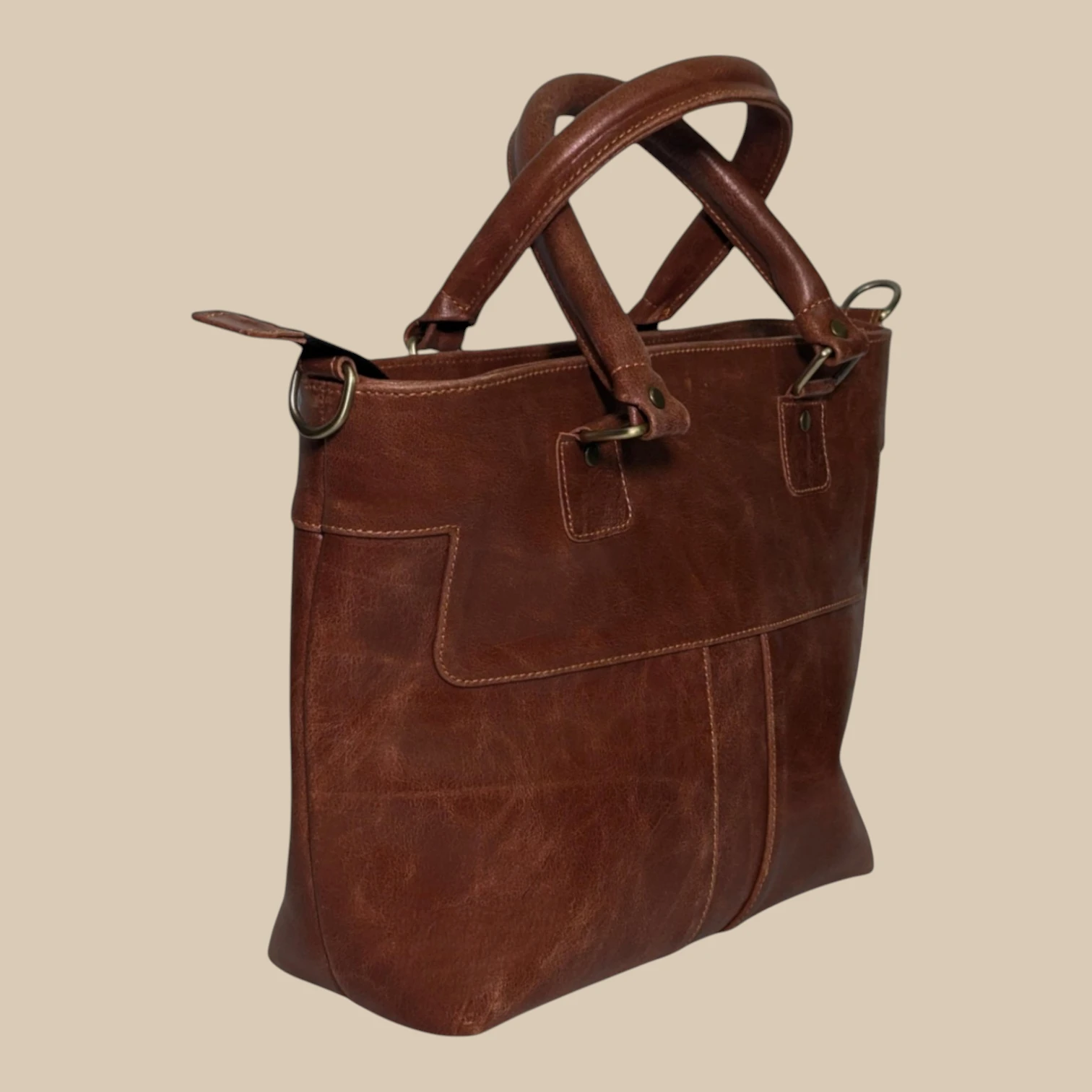
Medium leather totes measure approximately 35 to 40 centimeters wide and 30 to 35 centimeters tall with depths between 12 to 18 centimeters typically.
This size represents the everyday use sweet spot balancing capacity with manageability for most professional and personal daily activities consistently.
Best uses include work commutes carrying 15-inch laptops or tablets, documents, lunch, water bottles, and personal items without feeling cramped or overstuffed.
Medium totes handle small shopping trips, gym visits with compact workout clothes, and day outings requiring moderate amounts of gear comfortably throughout use.
The capacity accommodates varied daily needs without becoming so large that empty bags look awkward or full bags feel excessively heavy to carry.
Large leather totes span 40 to 45 centimeters in width and 35 to 40 centimeters in height with depths reaching 15 to 20 centimeters for maximum capacity.
These substantial bags serve users who regularly carry extensive items or combine multiple activities into single trips requiring everything packed together simultaneously.
Best uses include full gym sessions with shoes and towels, major shopping excursions, long workdays requiring extra layers and materials, and travel-style everyday use.
Large totes eliminate the need for multiple bags when running numerous errands or transitioning from work to evening activities without returning home between.
However, the size can overwhelm smaller frames visually, become uncomfortably heavy when fully packed, and look bulky even when containing minimal contents inside.
What to Consider When Choosing Tote Size for Daily Use
Your daily carry items form the foundation for determining appropriate tote size rather than arbitrary preferences about bag aesthetics or trends.
Create an honest inventory of what you typically carry on normal workdays, weekends, and mixed-use days to understand your actual capacity requirements.
Lay these items out physically to visualize the space they occupy together which reveals whether compact, medium, or large capacity suits your reality.
Comfort and practicality become crucial when bags fill with heavy items like laptops, water bottles, and books that strain shoulders during extended carrying.
A bag that fits everything perfectly but weighs too much when full creates daily discomfort that makes you regret purchasing oversized capacity unnecessarily.
Consider how far you typically walk carrying your bag between destinations during commutes, errands, and daily activities throughout typical weeks.
Where you go determines whether bag size matters for fitting into storage spaces or navigating crowded environments with large bags awkwardly.
City commuters using public transport benefit from compact bags that don't invade other passengers' personal space on crowded trains and buses.
Office workers need bags that fit under desks, in lockers, or on chair backs without overwhelming workspaces with excessively large bags daily.
Shopping-focused users appreciate larger capacity but must consider whether bags fit shopping carts, car trunks, and home storage when not in use.
Storage and space considerations extend to overhead compartments on trains, security screening bins at buildings, and restaurant floor space beside tables during lunch.
Style versus function creates tension because larger totes provide practical capacity but may look disproportionate or overly casual for professional environments sometimes.
Smaller totes maintain sleeker proportions and elegant appearance but frustrate users when essential items won't fit causing daily inconvenience and stress.
How to Measure a Tote Bag to Decide If It's Right for You
Key dimensions to check include width measured across the bag's widest point, height from base to top opening, and depth measuring the gusset.
Width determines how much spreads horizontally which affects whether laptops, documents, or wide items fit without tilting diagonally inside the bag.
Height controls vertical capacity for water bottles, rolled jackets, and tall items that need upright storage rather than laying flat at bottoms.
Depth or gusset measurement indicates how much protrudes from your body when carried affecting both capacity and how bulky bags appear when worn.
Handle or strap length determines carrying comfort and whether bags hang at comfortable heights on your shoulder during extended wear throughout days.
Short handles force bags to sit high near armpits causing discomfort. Long handles let bags hang low potentially hitting legs during walking awkwardly.
Using real objects helps visualize capacity better than abstract measurements that don't translate meaningfully to actual daily use scenarios practically.
Place your laptop, water bottle, wallet, and typical items on a table measuring their combined footprint which indicates minimum bag dimensions needed.
Stack items vertically to understand required height while arranging them side-by-side reveals necessary width for accommodating everything simultaneously without cramming.
Considering bag capacity when full matters more than empty dimensions because leather often looks smaller than actual usable interior space provides.
Structured leather totes maintain shape better allowing full use of interior space compared to unstructured bags that collapse reducing effective capacity significantly.
Typical Everyday Scenarios and What Size Works Best
Daily commutes carrying laptops, work files, and lunch require medium tote capacity to balance essential accommodation with manageable weight and appearance.
The medium size fits 15-inch laptops comfortably alongside notebooks, lunch containers, and personal items without forcing uncomfortable cramming or excessive weight.
This balanced capacity prevents shoulder strain during walks to offices while maintaining professional appearance suitable for corporate environments and client meetings.
Quick errands and light carry involving only phones, wallets, and keys work perfectly with small tote dimensions that feel barely noticeable during short trips.
The lightweight nature and compact profile make small totes ideal for coffee runs, quick shopping, lunch meetings, and casual outings requiring minimal gear.
Carrying unnecessary capacity feels cumbersome and looks awkward when bags remain mostly empty creating unflattering proportions that detract from overall style presentation.
Shopping combined with gym visits plus office items and extras demands large tote capacity to consolidate everything into single trips without multiple bags.
The ample space accommodates gym shoes, workout clothes, office necessities, and shopping purchases eliminating the juggling act of managing several bags simultaneously.
However, this convenience comes with weight trade-offs because fully loaded large totes strain shoulders significantly during extended carrying through stores and streets.
Travel or overnight stays requiring daily use items plus extra clothing and toiletries benefit from medium to large totes depending on trip duration.
Medium totes suffice for overnight business trips with minimal clothing changes. Large totes handle weekend getaways combining work items and personal necessities together.
Why a Medium Tote Often Wins for Everyday Use
Versatility across different daily use cases makes medium leather totes the most practical choice for majority of professionals and casual users alike.
The capacity handles typical work requirements including laptops and documents while accommodating gym clothes or shopping without becoming excessively large or heavy.
Medium totes transition seamlessly from professional office environments to casual weekend activities without looking out of place in either setting comfortably.
Balanced proportions mean enough space for actual needs yet manageable size that doesn't overwhelm your frame or create awkward bulk during carrying.
The middle-ground capacity prevents the overpacking temptation that large totes enable where you fill space simply because it exists rather than need requires.
Easier pairing with outfits occurs because medium totes complement rather than dominate your overall appearance during workwear, casual, and smart casual situations.
Professional clothing styles work well with proportionate bags that enhance rather than compete with your outfit for visual attention during important meetings.
Lower risk of overpacking compared to large totes means you carry only what you need reducing unnecessary weight that causes shoulder fatigue.
The physical limitation of medium size forces thoughtful packing decisions that keep daily loads reasonable and comfortable throughout extended carrying periods.
When You Might Prefer a Small or Large Tote Instead
Small totes suit minimalists who genuinely carry few items daily and value lightness and simplicity over extensive capacity for potential needs.
Your lifestyle involves brief outings without laptops or substantial gear making compact bags perfectly adequate for keys, wallets, phones, and small purchases.
The aesthetic appeal of smaller proportions matters significantly to your style preferences favoring sleek, understated bags over practical carrying capacity primarily.
You frequently switch between bags for different activities rather than using one bag all day making specialized compact totes more practical than versatile larger ones.
Large totes serve users who routinely carry extensive items, frequently shop, visit gyms, or combine multiple activities requiring everything packed together daily.
Your job or lifestyle genuinely demands substantial capacity regularly rather than occasionally making the extra size justified by consistent use patterns.
You prioritize eliminating multiple bags over appearance concerns and don't mind the weight or bulk when totes fill completely with necessary items.
Physical build accommodates larger bags proportionally without overwhelming your frame or creating uncomfortable carrying dynamics during extended use throughout days.
Tips for Buying a Leather Tote for Everyday Use
Check product dimensions carefully before purchase comparing measurements to your actual daily carry items laid out physically at home first.
Online shopping requires diligence because photos mislead regarding actual size making bags appear larger or smaller than reality depending on model proportions.
Read reviews mentioning size perceptions from verified buyers who describe whether bags felt bigger or smaller than expected upon arrival at homes.
Choose quality leather and construction for durability ensuring your investment lasts years rather than months of daily use and handling stress.
Full-grain leather provides superior durability and aging characteristics compared to corrected-grain or bonded leather that deteriorates faster with regular use.
Look for structured bases or bottom reinforcement providing better capacity and shape retention preventing bags from sagging or losing form when packed.
Reinforced bottoms protect against wear from setting bags on floors and surfaces while maintaining interior organization as items shift during carrying.
Opt for comfortable handles or straps considering strap length and padding especially when bags will carry substantial weight regularly throughout your routine.
Padded handles reduce pressure on shoulders during extended carrying. Adjustable straps accommodate different carrying preferences and seasonal clothing thickness variations naturally.
Consider interior organization including pockets and compartments for daily items like phones, keys, and cards preventing everything from jumbling together messily.
Dedicated laptop sleeves protect electronics from scratches and impacts. Zippered pockets secure valuables preventing loss during busy commutes and activities throughout days.
Conclusion: Choosing Your Perfect Everyday Leather Tote Size
The right leather tote size depends entirely on your specific daily needs and lifestyle patterns rather than universal recommendations applying equally to everyone.
Medium totes serve most everyday users effectively balancing capacity with comfort for typical work commutes, errands, and daily activities without excessive bulk.
However, small totes suit minimalists perfectly while large totes benefit users with genuinely substantial daily carry requirements or multiple combined activities regularly.
Review your actual daily carry habits honestly laying out items you typically transport to determine required capacity before purchasing any bag.
Quality leather totes represent investments lasting years making thoughtful size selection crucial for satisfaction and avoiding expensive replacement due to poor initial choices.
Consider trying bags in stores when possible to understand physical dimensions and carrying comfort before committing to online purchases based solely on measurements.
The perfect tote feels comfortable when full, accommodates your essentials without cramming, and maintains proportions that complement rather than overwhelm your appearance throughout use.